From South Africa’s Ballot Boxes to My Family’s First Votes
By Dr. Jacqueline L. Pierre, Optometrist | King Vision
“There are people who died for this.”
Those words appeared on a video above a simple white ballot box at Mandela: The Official Exhibition at the African American Museum of Dallas.
Another caption followed:
“Today I have voted…for them.”
I paused. Then I took a photograph.
The message reached across an ocean and into my own family.
I thought about my visit to South Africa in December 2025. I thought about my grandmothers, Ann King and Annie Holman, and the barriers their generation faced. And I thought about my nephew Roland, who recently voted for the first time at age 38, after losing and regaining his voting rights.
That ballot box represented history, belonging, remembrance, and hope.
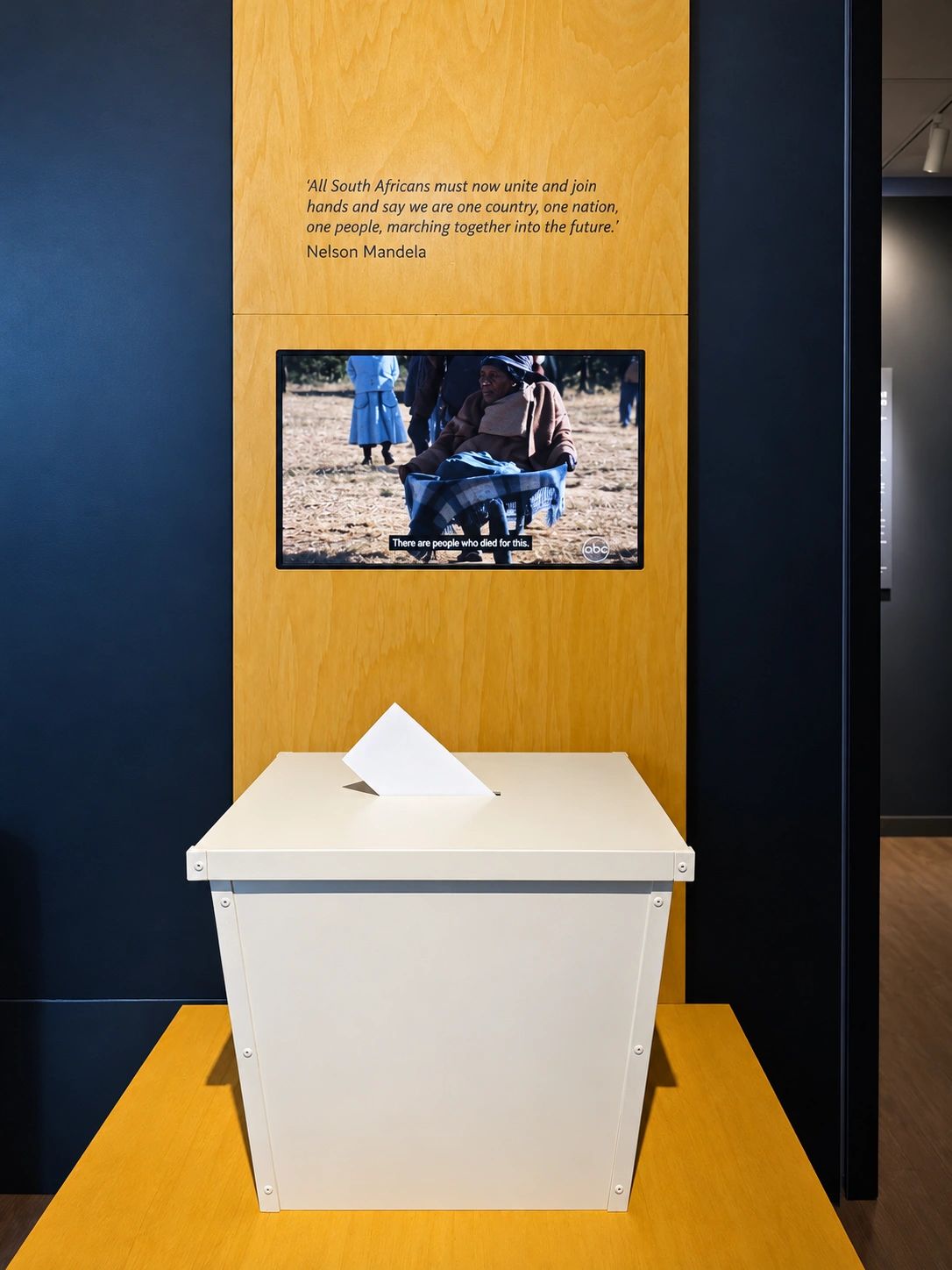
One ballot box. Generations of sacrifice. The voting display at the Mandela exhibition in Dallas.
South Africa: A Voice at Last
On April 27, 1994, South Africans participated in their country’s first democratic national election open to citizens of all races. People waited for hours in lines that sometimes stretched more than a kilometer.
Nelson Mandela voted for the first time in his life.
Under apartheid, the Black majority had been denied an equal voice in governing their country. For people who had lived under that system, casting a ballot was a profound recognition that their voices and choices mattered.
During my trip to South Africa, I visited places where people resisted oppression and paid dearly for doing so. Seeing the ballot-box display in Dallas connected those experiences to what so many had struggled to achieve: a voice in their own future.
America: Rights Promised, Access Denied
In the United States, the promise of voting rights also required generations of struggle.
The Fifteenth Amendment, ratified in 1870, prohibited denying voting rights because of race, color, or previous enslavement. Yet discriminatory laws, poll taxes, literacy tests, intimidation, and violence kept many Black Americans from the polls.
The Nineteenth Amendment prohibited denying voting rights on the basis of sex in 1920. But racial barriers continued to prevent many Black women from exercising that right.
The Voting Rights Act of 1965 strengthened federal protection against discriminatory voting practices.
Behind these milestones were ordinary people who organized, marched, faced threats, and persisted. Their work reminds us that rights must be protected as well as proclaimed.
My Grandmothers: History Has Names
My grandmother Annie Holman was born in 1900.
My grandmother Ann King was born in 1902.
Annie was 20 and Ann was 18 during the year the Nineteenth Amendment was ratified. Yet that constitutional milestone did not remove the racial barriers confronting Black women.
I cannot tell every detail of my grandmothers’ experiences at the polls. But I can recognize the world they lived in and the obstacles women of their generation faced.
When I think about them, voting history becomes personal.
Their lives remind me that the opportunities I have today were never inevitable. People worked toward a future they might never live to see.
When I vote, I carry gratitude for my grandmothers and for those who opened doors for generations to come.
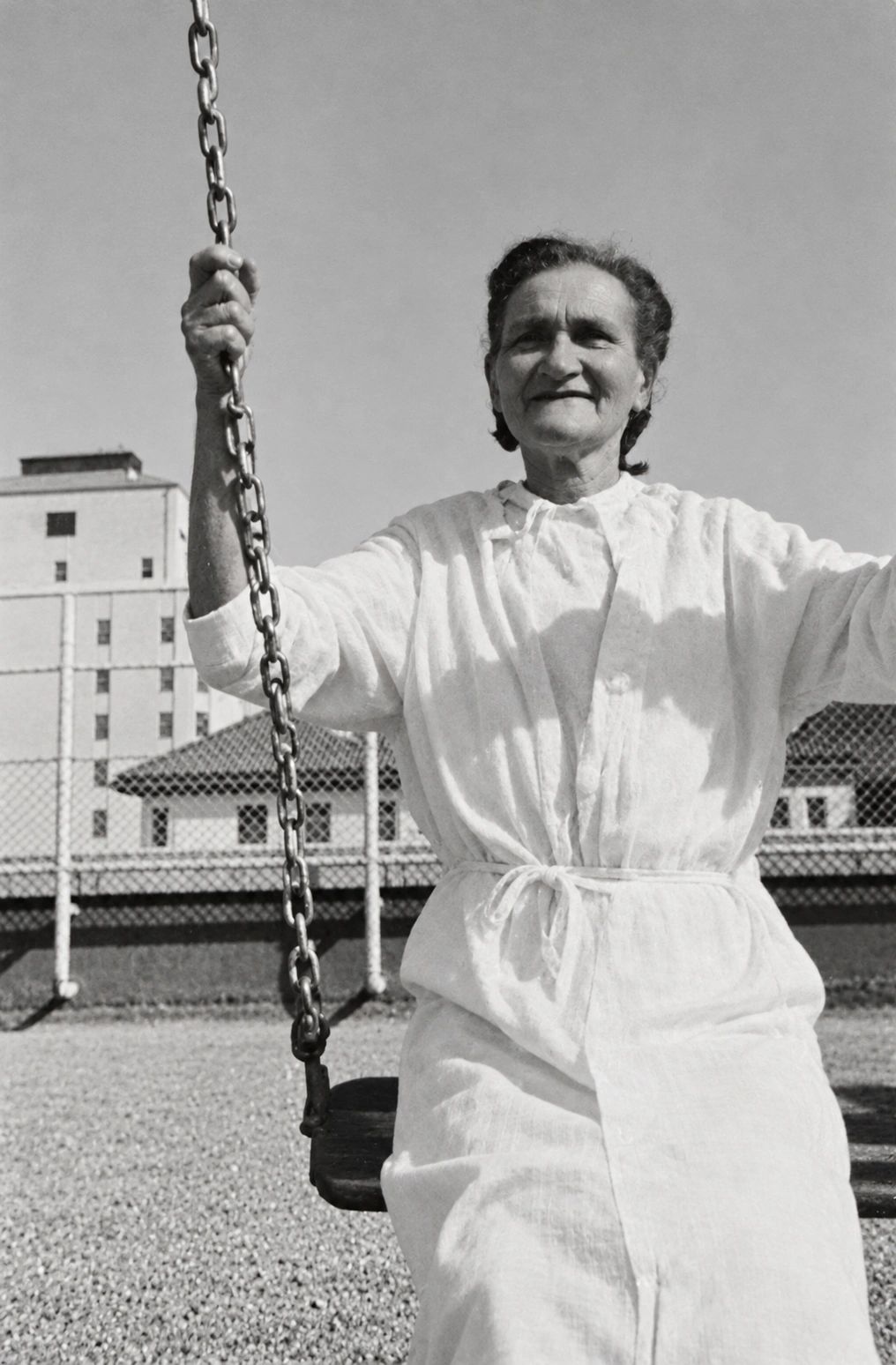
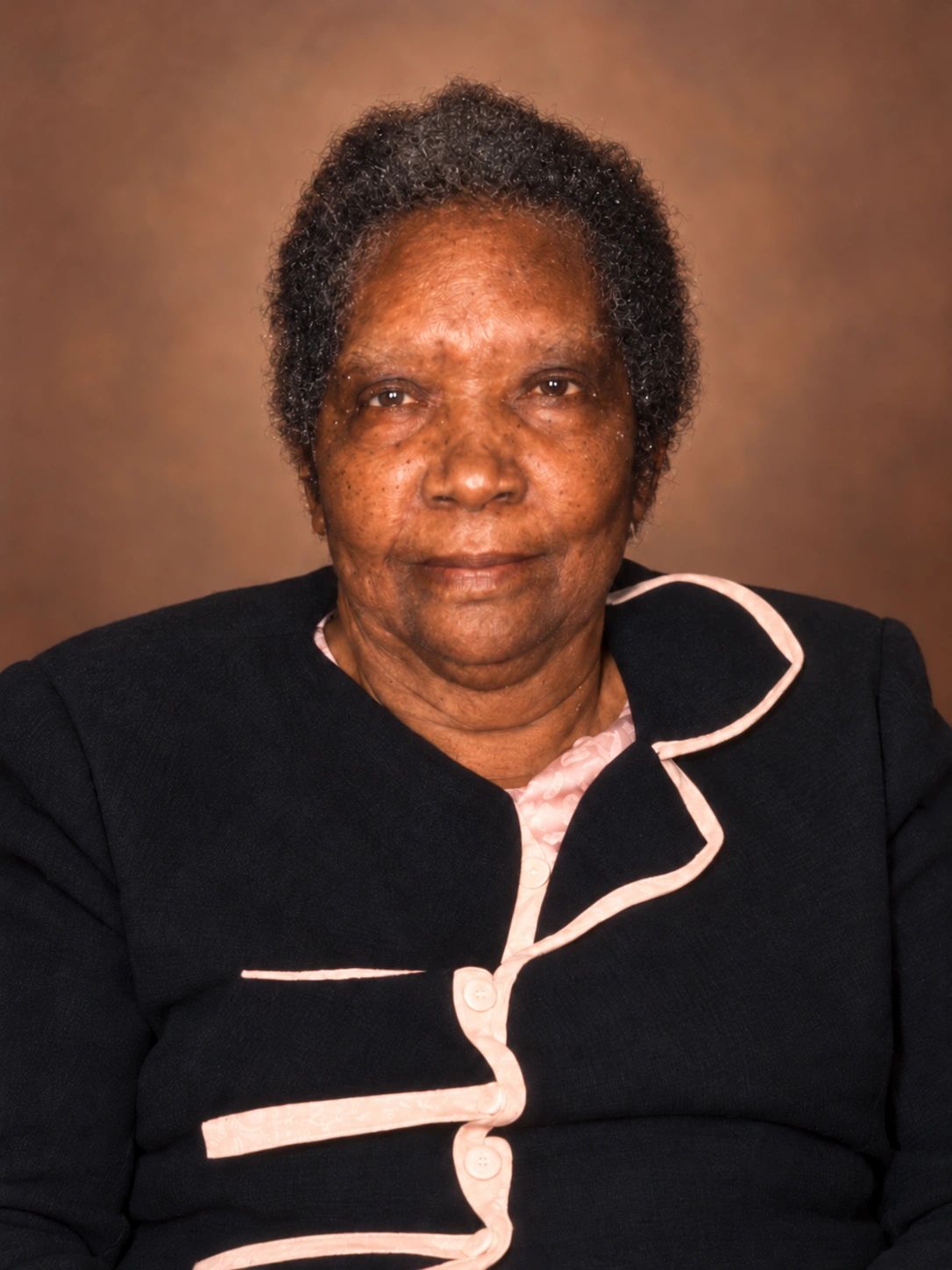
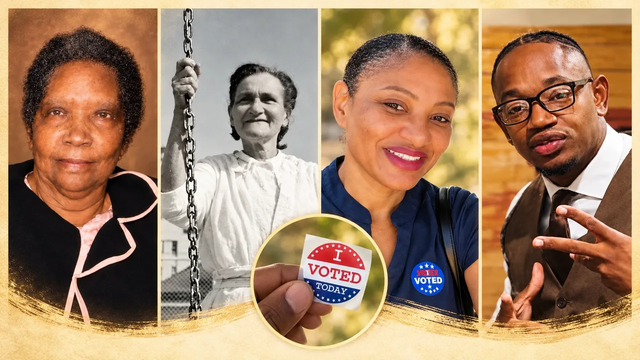
My grandmothers, Ann King and Annie Holman—two women whose lives remind me how much history one generation can carry.
Roland’s First Vote
Recently, my nephew Roland went with his East Liberty Baptist Church family to vote.
At 38 years old, he cast his first ballot.
His voting rights had been taken away and later restored. Having experienced that loss, he understood the importance of exercising the right he had regained.
He said to me:
“I bet my grandma Ann is proud of me.”
In that moment, generations of our family’s history felt connected.
His first vote became an act of participation, remembrance, and hope. I thought again about the words in the museum:
“Today I have voted…for them.”
Roland’s story also shows what community can do. His church family provided companionship and encouragement as he took that first step.
We can offer that same welcome to others—especially people who have never voted, have faced barriers, or are uncertain about their eligibility.
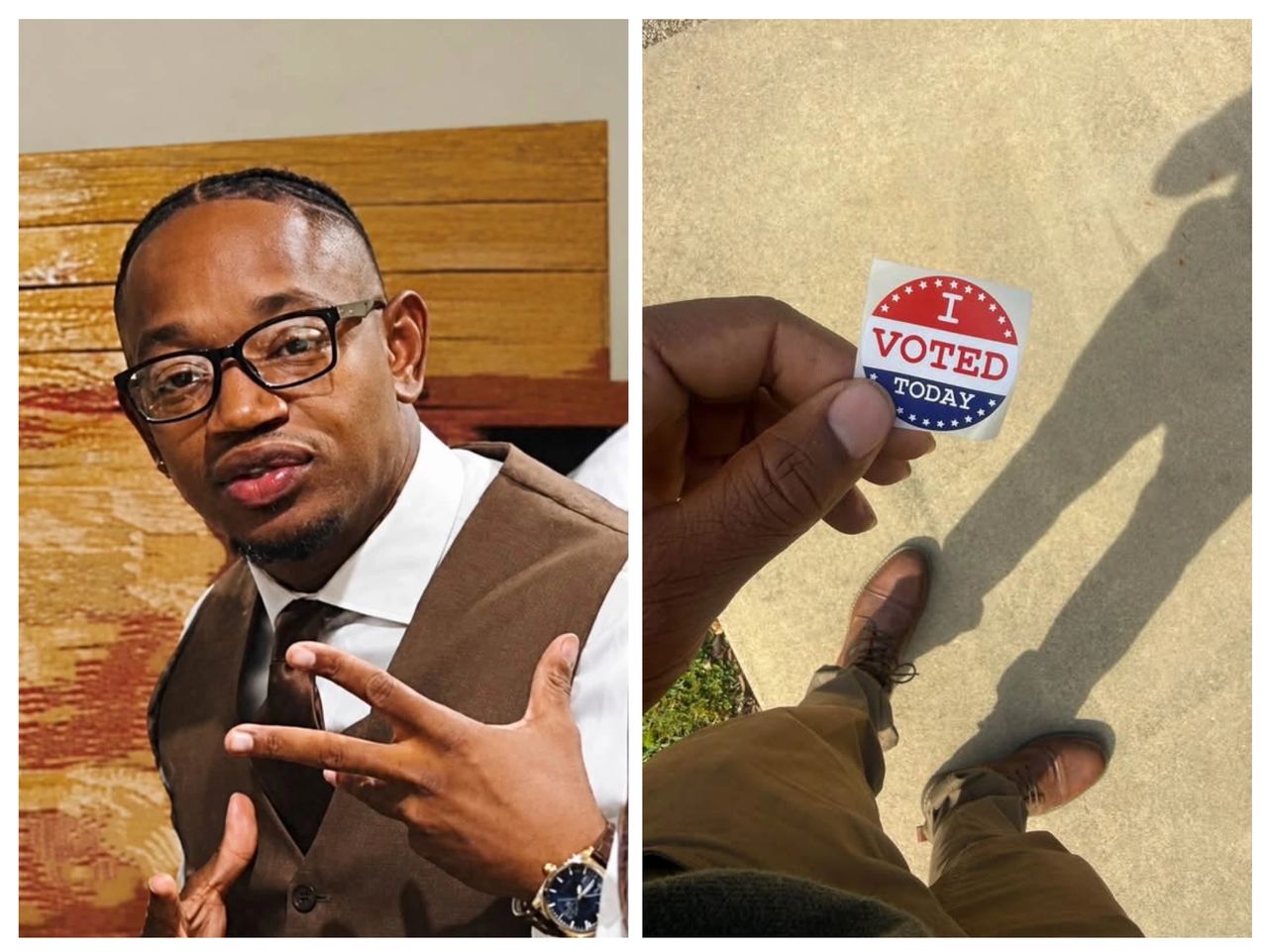
Roland’s first vote at age 38, after regaining his voting rights—a meaningful moment shared with his East Liberty Baptist Church family.
Turn Gratitude Into Participation
Voting gives us a voice in decisions affecting our schools, health care, neighborhoods, and future.
It is one part of citizenship, alongside service, advocacy, learning, and holding leaders accountable.
If you are eligible, take three steps:
- Learn: Review the candidates and issues, including local races.
- Verify: Check your registration, eligibility, polling location, hours, and requirements through official election sources.
- Participate: Make a plan to vote and encourage someone else to prepare.
Visit Vote.gov or your state and local election websites for reliable information.
Carrying Hope Forward
The ballot box in Dallas brought many stories together for me: South Africans waiting in long lines, Americans challenging exclusion, my grandmothers living through an era of profound barriers, and Roland casting his first vote after regaining his rights.
Their stories remind me to approach my own ballot with intention and gratitude.
My vote carries generations of hope. Roland’s first vote carries that hope forward. So can yours.
Sources and Further Learning
- Nelson Mandela Foundation: Biography
- Apartheid Museum: 1994 Election
- National Archives: Nineteenth Amendment
- National Archives: Voting Rights Act
King Vision | Educating, Encouraging, and Inspiring Our Community
www.kingvision.org