Dallas’ $2.56 million AI camera program raises questions about privacy, data retention and public accountability
By Rita Cook
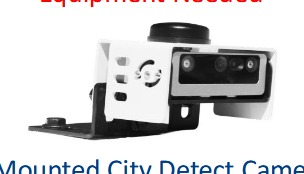
DALLAS – As if there isn’t enough surveillance already, the City of Dallas has introduced another layer of automated monitoring: an AI-powered code enforcement program using cameras from City Detect, an Alabama-based company that uses computer vision to identify what municipalities describe as “urban blight.”
The program arrives as Dallas faces questions about its existing surveillance infrastructure, including its network of Flock Safety automated license-plate reader cameras. Although City Detect serves a different purpose, both technologies raise concerns about data collection, oversight and privacy.
The City Detect contract costs taxpayers $2.556 million over three years, or $852,000 annually, with an optional one-year renewal.
The Dallas City Council approved the contract December 10, 2025, in a unanimous vote among members present. Councilmember Bill Roth was absent. Funding had already been approved in the FY 2025–26 budget; the December vote authorized the specific contract.
The contract covers 100 AI-powered camera units installed on 50 Sanitation brush-and-bulky-waste trucks to support sanitation operations and code-compliance inspections.
Recent reports documented changes to City Detect’s image-blurring protections following privacy concerns. However, the Dallas City Manager’s Office did not respond to questions about program changes since implementation, why changes were necessary, who decided to bring City Detect to Dallas, whether the cameras resulted in employee job losses, or whether the technology represents the best use of taxpayer dollars.
During an August 12, 2025, budget workshop, Code Compliance Director Chris Christian said the cameras would identify potential nuisance violations, including high weeds, litter and graffiti. A four-day pilot reportedly flagged more than 3,000 potential violations.
The software sends flagged images and GPS coordinates to Code Compliance for review. City officials say the system does not independently issue citations and personnel review images before enforcement action. Dallas police reportedly have no direct access to City Detect.
But what happens to the information once it has been collected?
A November 2025 city manager’s memo stated that City Detect maintains data during the contract and that Dallas may download and retain data during the contract and for 90 days after termination. The data is stored in a U.S.-based cloud environment, and the cameras have fixed lenses without zoom capabilities.
Separately, Dallas officials have said images are retained for 12 months under city records-retention requirements. These time frames address different aspects of data handling, but the specific retention-schedule provision governing these images has not been independently verified.
In September 2026, NBC 5 Investigates reported obtaining an image in which a license plate had not been automatically blurred. Dallas Code Compliance said it asked City Detect to process the images through its blurring system again. Following the investigation, City Detect enhanced protections to blur entire bodies rather than just faces. However, clothing and other identifying details may remain visible.
A camera flagging a potential problem is not the same as an inspector confirming a violation. Residents deserve answers about how images are reviewed, privacy protections tested, information accessed and errors addressed.
The issue isn’t simply whether cameras can identify overgrown lots, litter or graffiti. It’s whether the public knows what information is collected, who can access it, how long it is retained and what recourse residents have when the technology gets something wrong.
City Detect may serve a different purpose from law enforcement’s license-plate readers, but that distinction does not eliminate the need for transparency. When cities introduce new monitoring technology, residents deserve more than assurances. They deserve answers about the safeguards, the costs and the consequences.