

By Hazel Trice Edney
Forward Times
https://www.forwardtimes.com/
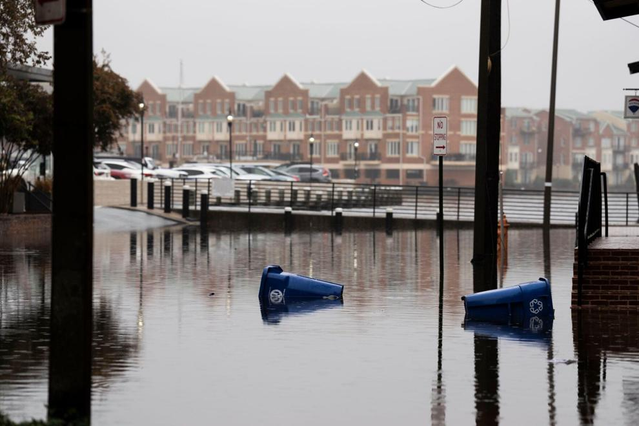
As the Trump administration continues to deny the reality and community impact of climate change, Black mayors have united to protect African Americans and other people of color, who are increasingly and disproportionately in danger across the nation.
“Even though we have an administration that doesn’t even believe that climate change is real, we’re smart and we know that it is real,” says Baltimore Mayor Brandon Scott, president of the African American Mayors Association (AAMA), in an interview with the Trice Edney News Wire. “People can see these storms that are causing flooding in areas that have never been flooded. People know it’s hotter. They can see that. What we’re doing now is just allowing ourselves to be prepared for the world that we know that we want.”
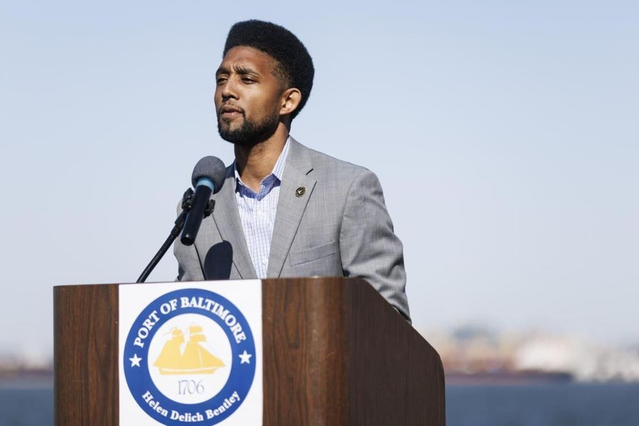
Mayor of Baltimore since 2020, Scott has earned a reputation for using his office to actively prepare for the future he envisions. For example, three years into his administration, he signed into law City Council Bill 21-0159, sponsored by Councilman Mark Conway, to help “facilitate a transition to zero-emission vehicles for the City’s administrative fleet. Under the law, by 2030, all procurements for the City’s administrative fleet — comprised of light-duty, standard-occupancy vehicles, including sedans, small pickups and SUVs — will be required to be zero-emission vehicles, most likely all electric,” according to a press release describing the bill.
This action followed Scott’s 2022 announcement of a goal to achieve 100 percent carbon neutrality by 2045.
Among his earliest legislative actions, Scott also signed a bill requiring the city’s three pension funds to divest from the fossil fuel industry.
“My administration knows the critical importance of ensuring our city is able to confront the climate crisis head-on and do everything in our power to ensure Baltimore is leading the way in sustainability and climate resilience,” he said in a press statement. “Doing so requires us to look at the steps city government can take to change the way it operates and work to modernize our systems to be more climate conscious.”
In the interview, he said he wants Baltimore to lead the nation by example.
“When you look at the milestones that we’re setting for ourselves, that’s how we’re holding ourselves accountable.”
He said he hopes this vision will spread to AAMA mayors across the nation, as the effects of climate change — including global warming, pandemics and other health crises — have historically affected Black communities and other people of color disproportionately.
Scott represents the 641 African American mayors of the AAMA, an organization that grew out of the 50-year-old National Conference of Black Mayors, which merged with AAMA in 2016. Black mayors represent 48 million citizens across the country.
It has been widely reported by credible environmental agencies that climate change causes more frequent and severe weather events, heavier-than-normal rainfall, dangerous thunderstorms and lightning, droughts, and scorching heat waves such as those taking place this summer. Coupled with decades of environmental racism in poor Black neighborhoods, climate issues have risen to crisis levels.
Among America’s worst recent environmental crises was the Flint, Mich., water crisis from 2014 to 2019. Between 6,000 and 12,000 Flint children were exposed to high levels of lead in the city’s drinking water after residents complained for years about its taste, smell and appearance. Lead affects the brain and central nervous system when consumed.
Flint Mayor Sheldon Neeley, mayor since 2019, is still dealing with the aftermath of the crisis. In an interview, he agreed with observers that Flint suffered the inattention that led to the crisis largely because the community was poor and Black.
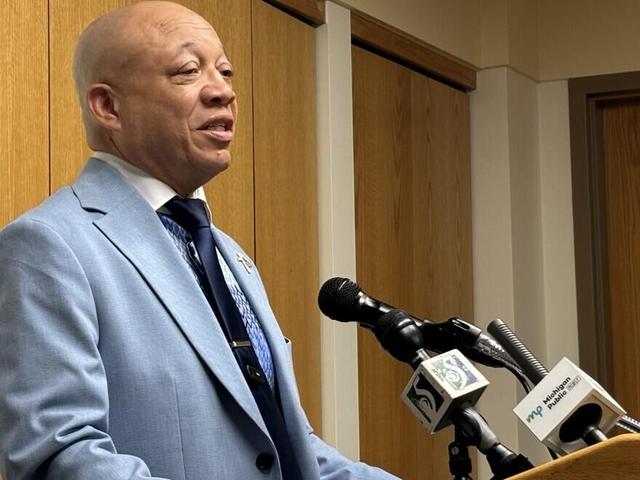
“We would not have had to experience the things that we are still currently experiencing had we been a community with fewer minority residents,” he said.
Environmental racism doesn’t just impact physical health. The continued fear of and mistrust in government also affect mental health.
“When we talk about the psychological and social impact that we’ve had, you know, there’s a crisis of confidence, especially in government,” Neeley said. “Definitely the psychological impact is something that we cannot see, and we have to really understand what that is. And so, segments of our community still believe that we’re still in crisis.”
Neeley says climate change is among the top five most important issues America currently faces. That is why AAMA now partners with organizations studying and advocating on issues related to climate change.
AAMA, a nonpartisan organization, works alongside climate organizations such as the Climate Action Campaign (CAC), which has kept a sharp eye on actions taken by the Trump administration affecting climate policy. CAC pushes for “equitable federal action to tackle the climate crisis.”
For example, CAC has a web feature called “Trump’s Climate and Clean Energy Rollback Tracker.” It currently states: “The Trump administration has accelerated the climate crisis and endangered communities’ health, driven up costs and undermined economic growth. The rollbacks tracked below — cuts to extreme weather preparedness, frozen investments and blocked pollution protections, and more — will have a devastating impact on every American, and particularly the most vulnerable.”
Neeley stresses that he works from a nonpartisan perspective and, therefore, will do everything possible to fill gaps where federal funding has been cut.
Meanwhile, the damage continues to grow in the Black community as AAMA fights back.
The Environmental Defense Fund (EDF) reports: “African American communities are more vulnerable to severe weather and floods. More than half of African Americans in the United States live in the South, an area that is and will continue to see stronger hurricanes and increased flooding from climate change. Many communities adjacent to power plants, petrochemical plants, factories and other sources of pollution are African American or other people of color. Unfortunately, recent hurricanes have shown that many of these facilities are ill-equipped to deal with flooding from increasingly stronger storms, often leading to releases of air and water pollution.”
The report continues: “For example, after Hurricane Harvey [in 2017], independent monitors found petrochemical plants released cancer-causing benzene at rates six times higher than safe levels. Neighborhoods near Superfund sites, which have also seen flooding from recent storms, are also more likely to be African American. Historic segregation has resulted in African Americans living in less desirable, low-lying and flood-prone areas in many cities throughout the United States.”
The EDF reports it will only get worse. But Scott says it won’t be difficult to measure the impact the mayors are making.
“When you talk about our legacy residents who now have heating and air in their homes, even things like cool roofs and mitigating extreme flooding — and people’s basements aren’t being ruined year after year after year — we can hold ourselves accountable for that,” Scott said.
Scott concludes that the key will be the mayors working together and sharing strategies for success.
“As president of the African American Mayors Association, we do this on every issue, making sure that we’re looking for best practices across the country, putting things together and helping each other make policy better — not just for one city, but for all cities.”

