

The case now moves to the Fifth Court of Appeals in Dallas, where Anthony could rehash the same arguments — or bring new allegations to the table.
By Jamie Landers, Sally Avila Edwards, Michael Cuviello, Staff Writers
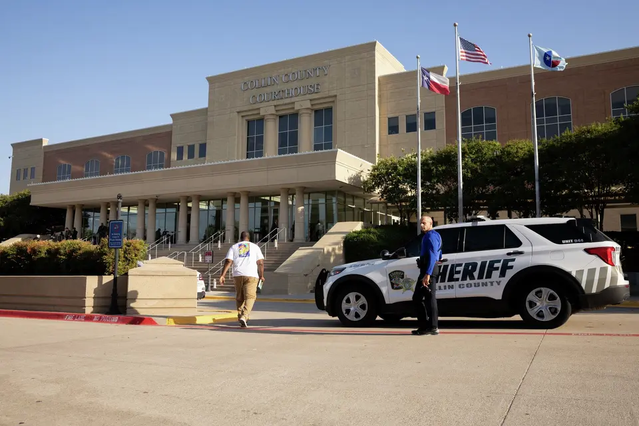
A judge on Saturday rejected Karmelo Anthony’s bid for a new trial, closing one chapter of the Frisco teen’s murder case and moving the fight to overturn his conviction to a higher court.
A Collin County jury sentenced Anthony to 35 years in prison earlier this summer after finding him guilty of murdering 17-year-old Austin Metcalf at a high school track meet in 2025. Had Judge Michael Chitty granted the motion, Anthony’s murder conviction would have been set aside while the case moved toward a new trial.
Chitty denied the motion in a brief order without further explanation. Under Texas law, judges may issue findings explaining rulings on new-trial motions but are not required to do so.
Collin County District Attorney Greg Willis said in a statement his office expected the decision and remained confident in the verdict.
“The jury’s guilty verdict stands, and we remain confident in the process,” he wrote.
The denial leaves the Fifth Court of Appeals in Dallas as Anthony’s next path to potential relief.
Anthony’s lead attorney, Russell Wilson, expressed disappointment in a social media post after the denial. “Our commitment to our client has not changed,” he said. “We will continue to advocate vigorously on his behalf through every lawful avenue available.”
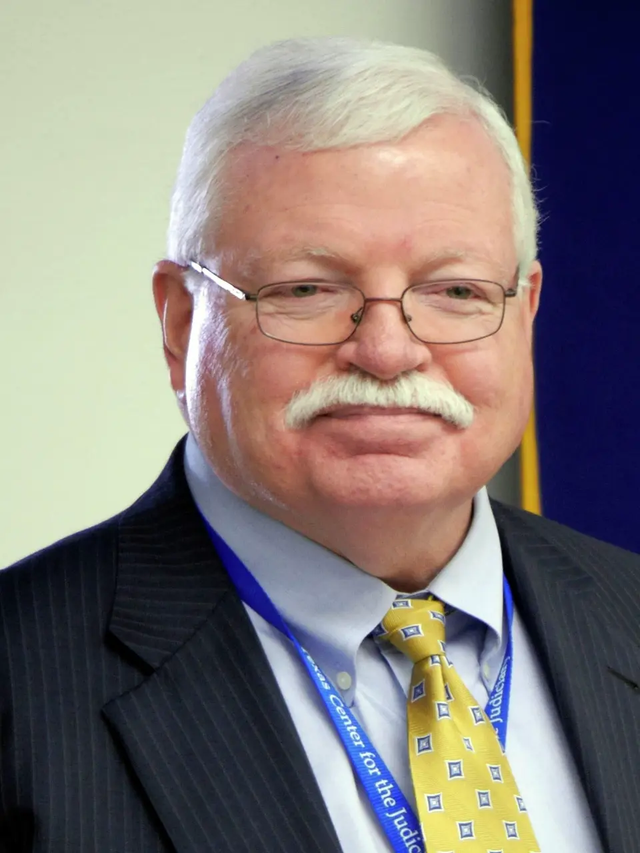
Roach’s recusal, Chitty’s appointment
The day before the hearing to request a new trial, District Judge John Roach Jr. was recused from overseeing the next steps of Anthony’s case by Judge Sid Harle, a visiting judge from San Antonio.
While Harle said he personally believed Roach could rule fairly, the decision had to be viewed through the eyes of “a reasonable member of the public.” From that perspective, Harle concluded Roach’s post-trial statements raised questions about his impartiality.
Chitty, a retired judge from Kaufman County, was appointed to decide Anthony’s motion for a new trial. A former prosecutor with nearly two decades of experience on the bench, Chitty arrived at the Collin County courthouse on a tight schedule.
Texas procedure states the court had 75 days after Anthony’s sentence was imposed in open court to issue a written ruling. A motion not decided within that period is denied automatically. For Anthony, that deadline fell on Sunday.
When the hearing stretched into Friday evening, Chitty said attorneys were “bumping up against the deadline” for him to make a decision.
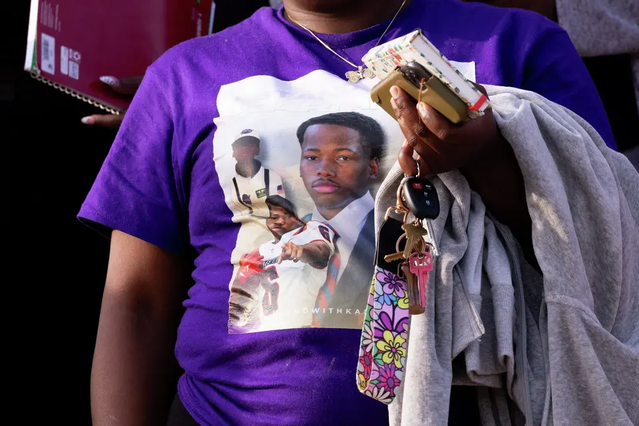
Week’s proceedings
During the new trial hearings Thursday and Friday, attorneys unveiled evidence about the histories of both teenagers that jurors did not hear.
Anthony’s lawyers presented allegations that Metcalf had repeatedly engaged in racist and aggressive behavior, while prosecutors presented messages and other evidence they said showed Anthony had stalked a former girlfriend and expressed a preoccupation with violence.
Both sides’ original trial attorneys also testified at length about a disputed “gentleman’s agreement,” a pretrial deal designed to keep both boys’ pasts out of the proceedings.
Defense attorneys argued the agreement’s collapse prevented Anthony from testifying in his own defense, while prosecutors maintained they upheld their end of the deal and accused Anthony of changing his mind out of fear of cross-examination.
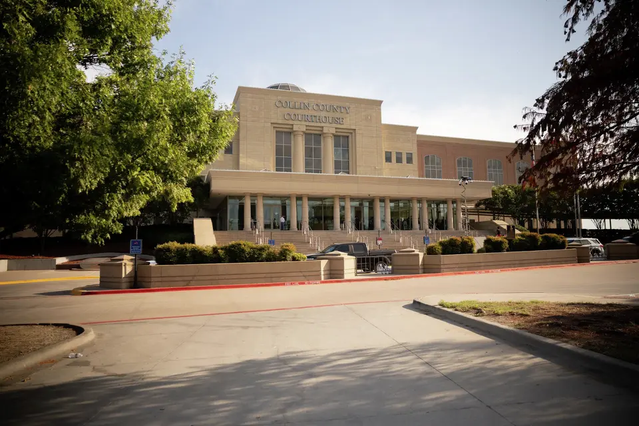
Next steps, legal analysis
Legal experts who spoke with The Dallas Morning News said it would have been challenging to get a new trial verdict — even with a new judge.
Dallas criminal-appellate attorney Brett Ordiway, who isn’t involved in the case, said there’s a very high bar to get a new trial in Texas. The decision, he said, must be granted on valid legal grounds — such as the defense’s argument that Anthony’s rights were infringed.
“You can’t grant a new trial because you feel bad for the defendant, or you think you got too harsh of a sentence, or any sort of sympathy or reason like that,” he said. “It’s got to be a valid legal basis.”
Anthony’s lawyers argued that the informal agreement between the trial attorneys affected his decision not to testify and deprived him of his constitutional right to make that decision himself.
The hearing created a detailed record that Anthony’s appellate attorneys can use to support claims on appeal concerning the informal agreement and its effect on his decision not to testify.
Ordiway said the Fifth Court may not receive the complete appellate record and briefs before 2027. Anthony will remain at the Wallace Pack Unit, a prison just outside of Houston, as the process plays out.
“That’ll be a long road ahead there,” Ordiway said.
Timeline: How the case against Karmelo Anthony unfolded
Senior Breaking News Reporter
Jamie Landers is the senior breaking news reporter at The Dallas Morning News, where she covers crime, courts and capital punishment. She is a graduate of The Walter Cronkite School of Journalism and Mass Communication in Phoenix, where she studied journalism and political science. Jamie previously reported for The Arizona Republic and Arizona PBS.
Staff writer
Sally Avila Edwards is an intern for The Dallas Morning News. Avila Edwards covers the latest breaking and trending news about the Dallas-Fort Worth area. She graduated from Harvard with a degree in Government and English Literature. Originally from Central Texas, Avila Edwards previously reported for KXAN Austin and The Harvard Crimson.
Breaking News Reporter
Michael Cuviello is a breaking news reporter for The Dallas Morning News. He previously reported for the Amarillo Globe-News, where he led on-the-ground coverage of the Smokehouse Creek fire, the largest wildfire in Texas history. A graduate of the University of Texas at El Paso, he served as the sports editor for the student publication, The Prospector. Cuviello is a combat veteran who served more than a decade in the military.

