By: Derrick Lane
BlackDoctor
https://blackdoctor.org/
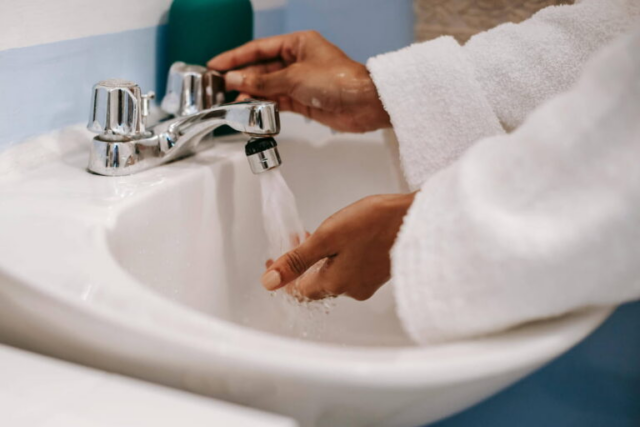
Tap water is often considered one of modern life’s safest and most convenient resources. Thanks to extensive treatment processes, municipal water is generally free of harmful contaminants by the time it leaves the treatment plant. However, the journey from the plant to your faucet can introduce new risks, and some systems fall short of delivering truly clean water.
For these reasons, relying solely on your municipal system might not be enough to guarantee safe, high-quality water in your home. Whether due to aging infrastructure, utility shortcomings, or private well use, many factors could prompt you to consider additional protection for your water. Here’s a closer look at potential risks and practical solutions for improving your water quality.
Hidden Risks in Your Tap Water
1. Aging Infrastructure: A Problem Starting at the Curb
While water treatment facilities aim to deliver safe water, the pipes that transport it can introduce contaminants before they reach your tap. This is especially concerning for homes and neighborhoods with older plumbing systems.
“Lead and copper can leak out of old pipe solder,” explains Lisa Jackson, former EPA administrator. These metals are known health hazards, particularly for children and pregnant women, as they can cause developmental and neurological issues. If you’re worried about aging infrastructure in your area, contact your local health department to inquire about water testing services or DIY test kits.
2. Utility Shortcomings: Are Standards Being Met?
Even the best municipal water systems can face challenges, from outdated equipment to treatment-related contamination risks. While utilities are required to meet federal safety standards, lapses can occur.
To stay informed, request a Consumer Confidence Report (CCR) from your water utility. These reports, issued annually, detail your water quality and any contaminants detected. For deeper insights, explore the Environmental Working Group’s (EWG) tap water database, which compiles data from water utilities nationwide. It’s a valuable tool for identifying potential risks specific to your region.
3. Private Wells: The Responsibility Is Yours
More than 13 million U.S. homes rely on private wells for their water supply, which means homeowners must take charge of ensuring their water is safe. Private wells are susceptible to contamination from nearby agricultural runoff, industrial waste, and natural deposits of harmful substances like arsenic.
The National Ground Water Association recommends annual water testing by a certified groundwater contractor. This ensures early detection of contaminants such as nitrates, bacteria, and heavy metals, giving you the opportunity to address any issues promptly.
Filtering Options to Improve Water Quality
If you’re considering additional measures to ensure your water is safe, filtration is an excellent way to reduce contaminants and improve taste. With options ranging from budget-friendly filters to whole-house systems, there’s a solution for every household.
Option 1: Cheap & Easy
Basic carbon filters, like those used in Brita-style pitchers or faucet-mounted units, are an affordable and simple way to improve water quality. These filters can reduce common contaminants such as lead and disinfection by-products—harmful compounds that form when chlorinated water reacts with organic material.
However, basic filters are best suited for small households. If your family uses more than two gallons of water per day, the slow processing speed of these filters may become frustrating.
Option 2: Better…But Pricier
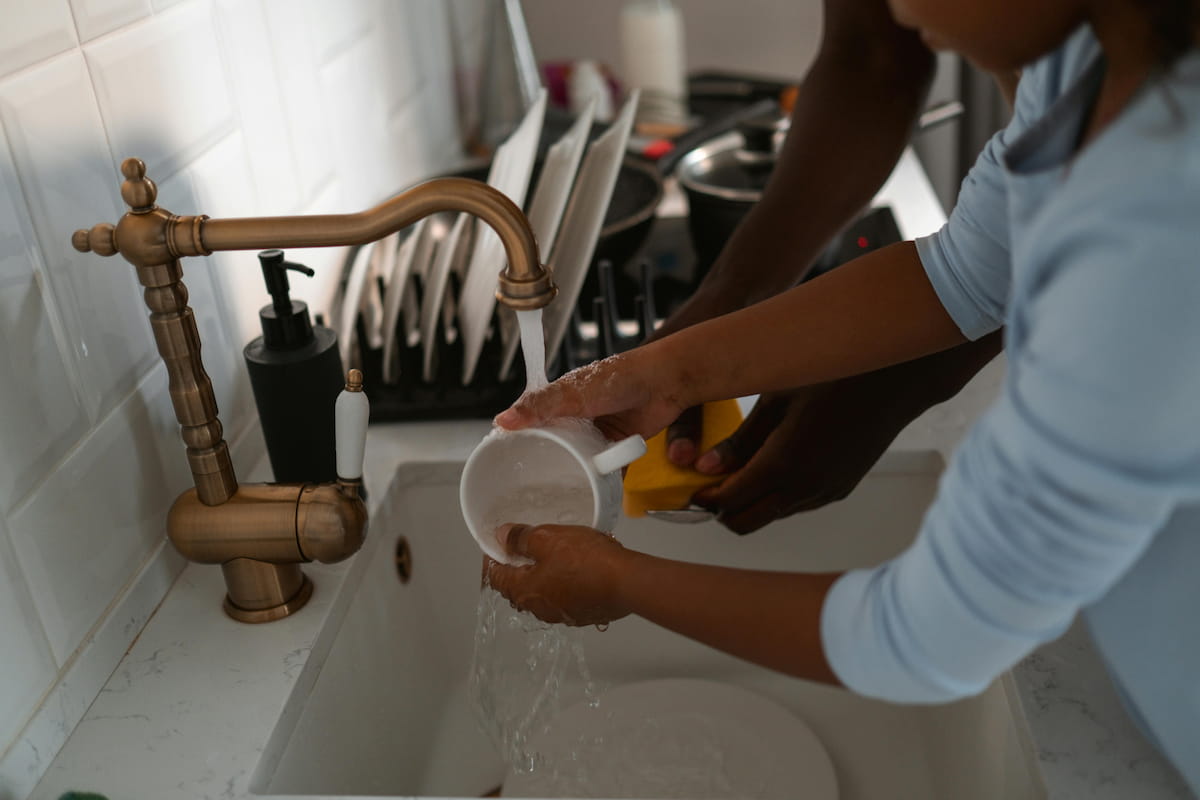
For more thorough filtration, consider a system that combines carbon filtration and reverse osmosis (RO) technology. Reverse osmosis systems can remove a wider range of contaminants, including perchlorate, arsenic, and heavy metals, making them ideal for households with specific water quality concerns.
These systems are typically installed under the sink, providing filtered water at a dedicated tap. Although more expensive than basic filters, costing a few hundred dollars to $1,000 or more, they offer faster processing and better contaminant removal.
Option 3: For Water Worriers
If you’re looking for comprehensive protection, a whole-house filtration system might be the best option. These systems treat all the water entering your home, ensuring that every drop—whether for drinking, bathing, or brushing your teeth—is clean and safe.
Whole-house systems can be customized to target specific contaminants, such as iron, sulfur, or pesticides. However, their cost can be high, ranging from several hundred to several thousand dollars, depending on the level of customization and complexity.
Maximizing the Effectiveness of Your Water Protection Measures
Regardless of the filtration system you choose, proper installation, use, and maintenance are essential for ensuring optimal performance. Here are some key tips:
- Look for Certified Filters: Choose a filter or system certified by NSF International, an organization that sets rigorous standards for water treatment products.
- Follow Manufacturer Instructions: Proper installation and operation are critical for ensuring your filter functions as intended.
- Replace Filters on Schedule: Overused filters can harbor bacteria or lose their effectiveness, potentially making your water worse rather than better. Be diligent about replacing filter elements as recommended by the manufacturer.
Why Water Quality Matters
Clean, safe water is fundamental to health and well-being. Contaminated water can lead to a range of health problems, from gastrointestinal illnesses to long-term risks such as cancer or developmental delays in children.
While municipal systems work hard to deliver safe water, it’s clear that risks remain—from aging infrastructure to lapses in utility performance. By taking proactive steps, such as testing your water regularly, staying informed about your water utility, and investing in a filtration system, you can significantly reduce these risks and ensure your water is as safe and clean as possible.
A Final Thought: Invest in Peace of Mind
Water safety isn’t just about avoiding illness—it’s about ensuring peace of mind for you and your family. Whether you choose a simple carbon filter or a whole-house system, the investment in water quality pays off every day, with every sip and every use. After all, water is more than just a utility—it’s a lifeline. Take the steps needed to protect it.