By Jessica Daniels
BlackDoctor
https://blackdoctor.org/
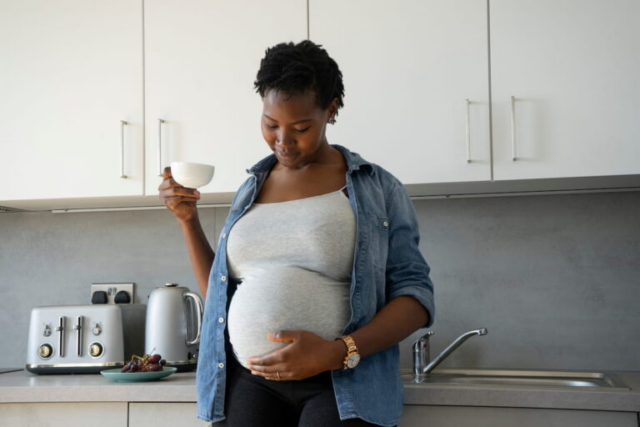
A new study from Norway reveals that women with polycystic ovary syndrome (PCOS), recently renamed polyendocrine metabolic ovarian syndrome (PMOS), who become pregnant may have a higher likelihood of having babies with lower birth weight. The risk is even greater for mothers with both PMOS and obesity, according to research published in JAMA Network Open.
Dr. Eszter Vanky, the study’s lead author and a professor of clinical and molecular medicine at the Norwegian University of Science and Technology, explains:
“In women of normal weight who have PMOS, we only find that their children have a lower birth weight compared to women who do not have PMOS. It is the group of children born to mothers with obesity that stands out the most. These babies have lower weight, shorter stature, and a smaller head circumference.”
PMOS and Its Impact on Pregnancy
PMOS is one of the most common hormonal disorders affecting women, impacting around one in eight individuals. It is characterized by:
- Irregular or absent menstrual cycles
- Elevated levels of androgens (male hormones)
- Small fluid-filled cysts on the ovaries
- Increased risk of insulin resistance, obesity, and metabolic disorders
Women with PMOS often face fertility challenges, and even after conception, they have a higher likelihood of pregnancy complications, including gestational diabetes, preeclampsia, and preterm birth.
Findings from the Study: How PMOS Affects Fetal Growth
The Norwegian study analyzed data from over 70,000 children, including 390 babies born to women with PMOS. The results showed a clear pattern:
- Babies born to women with PMOS had lower birth weights, were shorter in length, and had smaller head circumferences compared to babies born to women without the condition.
- The effect was even more pronounced when the mother had both PMOS and obesity, suggesting a compounded risk.
These findings were somewhat unexpected, Dr. Vanky noted:
“Women who are generally overweight and gain a lot of weight during pregnancy usually have an increased risk of giving birth to large babies. This also applies to women who develop gestational diabetes. However, the outcome is the opposite: these women give birth to babies who are smaller than average.”
Why Are Babies of PMOS Mothers Smaller?
The exact reason why PMOS leads to smaller babies is still unclear, but researchers believe it is linked to the placenta’s function.
- The placenta delivers oxygen and nutrients to the developing baby.
- In women with PMOS, studies suggest that the placenta is often smaller and has to work harder to provide for the baby.
- This may result in placental insufficiency, a condition where the placenta fails to deliver adequate nutrients, potentially leading to fetal growth restriction and, in severe cases, fetal death.
PMOS, Obesity, and Long-Term Effects on Children
One key concern is that PMOS and maternal obesity are closely linked. Many women with PMOS struggle with weight gain due to hormonal imbalances and insulin resistance, making pregnancy risks even greater.
The researchers also explored the long-term effects on children born to mothers with PMOS. Data collected up to age seven suggests that these children tend to have more central obesity (higher waist circumference) than their peers.
“They bear small signs that their mother has PCOS,” Dr. Vanky explained. “It may therefore be an advantage to know about this so we can provide guidance on lifestyle and diet.”
What This Means for Women with PMOS
For women with PMOS who are planning to conceive, these findings highlight the importance of early intervention and careful pregnancy monitoring.
- Pre-pregnancy weight management may help improve outcomes.
- Regular monitoring of fetal growth and placental function is crucial during pregnancy.
- Nutritional and lifestyle counseling can support both mother and baby’s health.
The research underscores that while PCOS increases the risk of having a smaller baby, proactive management can help reduce complications and improve long-term health outcomes for both mother and child.
Final Thoughts
This study provides valuable insights into the complex relationship between PMOS, obesity, and fetal growth. As researchers continue to explore the biological mechanisms behind these findings, it is essential that healthcare providers offer personalized care and support to women with PMOS during pregnancy.
Women with PMOS and obesity should work closely with their doctors to monitor pregnancy progress, manage weight, and ensure optimal placental health—all of which can contribute to a healthier pregnancy and baby.