By Megan Sayles
Afro
https://afro.com/
For many Black consumers, everyday life can come with an added financial burden—pricier insurance premiums, higher borrowing costs and fewer opportunities to build wealth. Many of these disparities are rooted in decades of discriminatory practices, including redlining and biased lending policies that curtailed access to equitable financial resources.
Those historical practices continue to shape present-day economic outcomes.
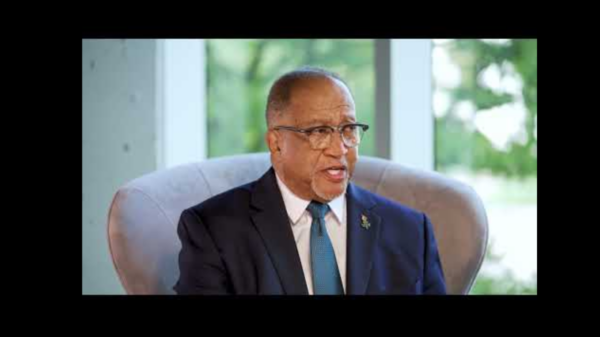
“There’s a host of ‘hidden’ costs that continuously gnaw away at Black resources at a much more intense degree than they gnaw away at White resources,” said William Darity, social scientist and visiting economics professor at Howard University (HU).
Darity explained that there is a significant gap in the car insurance costs that African Americans encounter compared to their White counterparts—with some Black adults being charged premiums that are 40 percent higher.
In Washington, D.C. alone, a 2024 report from the Department of Insurance, Securities and Banking found that White drivers paid an average of $705 annually for auto insurance, while Black drivers paid $1,031.
Darity said disparities also persist across lending systems, including higher interest rates on mortgages and other loans. According to the Joint Center for Housing Studies at Harvard University, Black homeowners earning between $75,000 and $100,000 paid a median mortgage interest rate of 4.215 percent, compared to 4.16 percent for White homeowners earning $30,000 or less—highlighting how Black borrowers often face higher costs even at higher income levels.
Routine banking can also come with higher costs, Darity said. A 2022 Bankrate study discovered that White checking account holders paid $4.72 in monthly fees, while Black account holders paid an average of $12.45.
These everyday consumer costs, combined with an ever-widening racial wealth gap, place serious strain on Black households, according to Darity.
“It’s also important to note that Black households start with a huge deficit compared to Whites in terms of resources—particularly if you look at wealth, where the average White household has $1.15 million more in wealth than the average Black household,” said Darity. “If you pile these hidden costs on top of a situation in which households are starting out with considerably less, you’ve got a pretty hostile situation.”

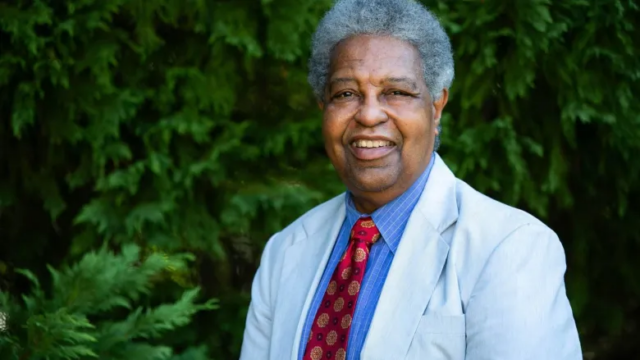
Economists say these higher costs don’t just burden household budgets—they also limit avenues for long-term financial growth. Gerald Daniels, associate economics professor at HU, pointed to higher student loan debt among Black borrowers as one example. On average, Black college graduates owe $25,000 more than their White counterparts, according to the Education Data Initiative.
“Once folks get their career started, they have to forego some of their income to pay off this debt as opposed to using the funds to buy homes, make car purchases and afford a host of different types of financial investments,” said Daniels. “But, instead folks have to pursue repaying this debt.”
Leveling the financial playing field
To eliminate these disparities, Daniels and Darity recommended several policies aimed at making the financial landscape more equitable. Daniels called for eradication of racial and gender wage gaps across industries and lower college tuition.
Darity advocated for a federal job guarantee, which would ensure any person in need of employment could access a public job with a living wage and benefits. He also argued for monetary reparations, which would consist of direct cash payments to descendants of enslaved people.
Though the case for reparations has long been a controversial debate, Darity noted one point of hope.
“We have never had significant support for a comprehensive reparations plan by either political party in the United States, but there has been one positive sign that I hope can be developed and enhanced,” said Darity. “It’s the fact that there’s been a substantial change in the percentage of White Americans who actually endorse monetary payments as reparations for Black Americans.”
Megan Sayles is a business reporter for The Baltimore Afro-American paper. Before this, Sayles interned with Baltimore Magazine, where she wrote feature stories about the city’s residents, nonprofits… More by Megan Sayles AFRO Staff Writer