By Blavity Team
Blavity
https://blavity.com/
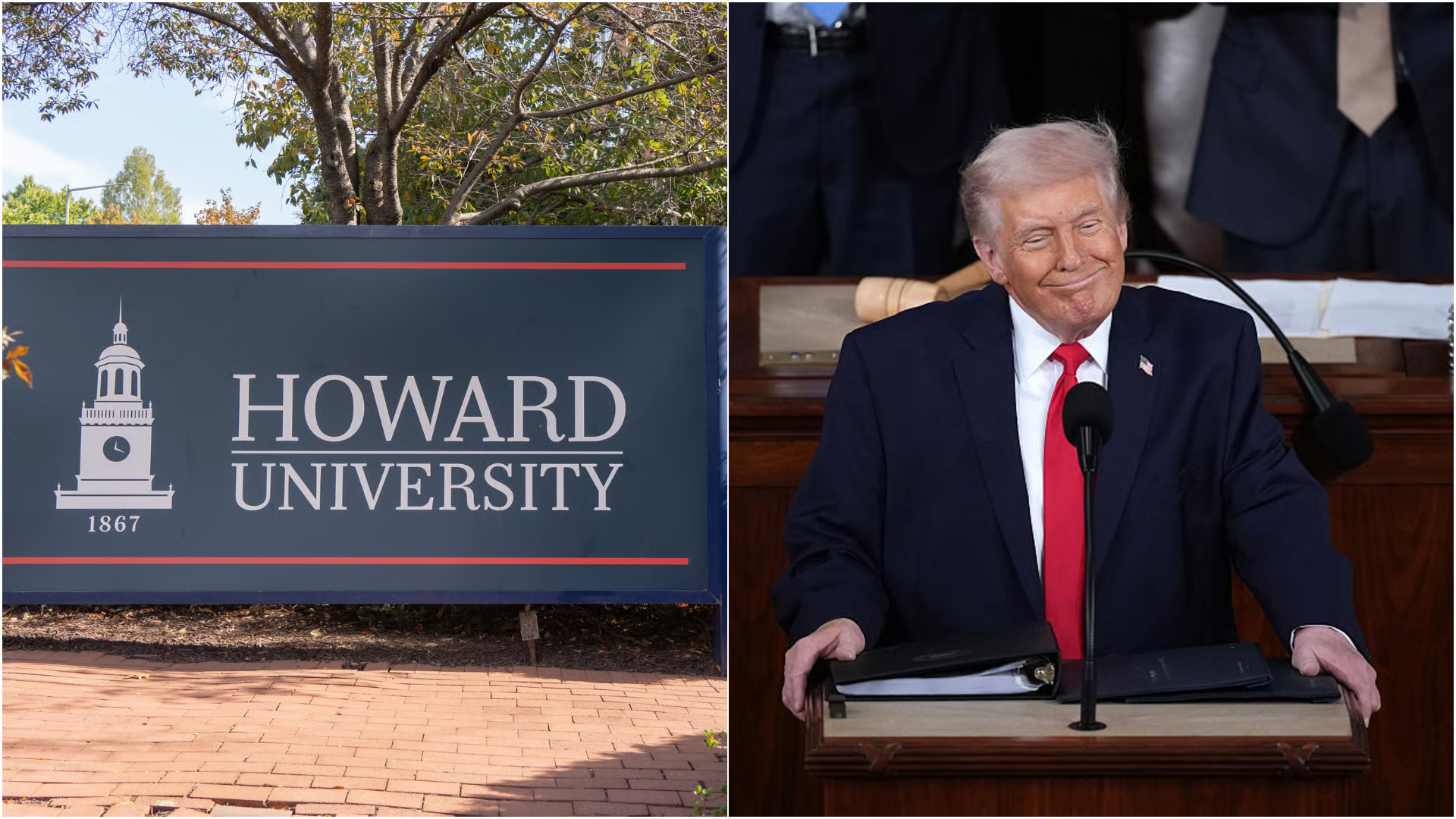
In this week’s episode of Blavity Town Hall, host Raven Schwam-Curtis examines the state of historically Black colleges and universities (HBCUs) as debates around diversity, equity and inclusion intensify under the Trump administration.
The episode begins with context. HBCUs were founded before 1964 with the primary mission of educating Black Americans at a time when segregation barred access to most predominantly white institutions. The term “HBCU” itself was codified under the Higher Education Act of 1965, which expanded federal funding for these schools.
While a handful of HBCUs were established before the Civil War — including Cheyney University of Pennsylvania in 1837 and Lincoln University in 1854 — most were founded after emancipation. The Freedmen’s Bureau helped build schools and train teachers for formerly enslaved people, and the Second Morrill Act of 1890 required states to either admit Black students into existing land-grant institutions or create separate institutions to serve them.
Today, there are more than 100 HBCUs in the United States, roughly half public and half private. The majority are located in the South, reflecting historic Black population patterns that continue to shape enrollment and institutional missions.
Record enrollment and rising demand
Despite broader declines in higher education enrollment nationwide, HBCUs have experienced notable growth. Between 2020 and 2023, enrollment at HBCUs increased by 7%, even as overall college enrollment fell.
Institutions such as Howard University, Jackson State University, Alabama A&M University, Wilberforce University and Benedict College have reported significant increases in applications and enrollment in recent years. Observers point to several contributing factors, including racial tensions, the Supreme Court’s affirmative action rulings and students’ desire for culturally affirming academic environments.
Strategic shifts — including expanded online programs and targeted recruitment — have also helped some campuses meet increased demand. However, growth has not been uniform, with some institutions still navigating enrollment and infrastructure challenges.
Funding, politics and the future of HBCUs
Recent headlines have centered on funding. For fiscal year 2025, the Department of Education announced $1.34 billion in funding for HBCUs and more than $108 million for tribally controlled colleges. The Trump administration has also said it would redirect $435 million toward HBCUs and tribal institutions by reducing discretionary grants for other minority-serving institutions.
These announcements come alongside broader anti-DEI initiatives and policy rollbacks, creating questions about long-term funding stability and political influence. Between fiscal year 2021 and September 2024, the Biden-Harris administration reported investing $17 billion in HBCUs.
Private philanthropy has also played a major role in recent years. MacKenzie Scott has donated more than $1 billion to HBCUs, while Michael Bloomberg launched a $20 million HBCU-focused charter initiative. Black donors collectively have contributed more than $1 billion to HBCUs over the past five years, according to Black Enterprise.
The episode also highlights cultural visibility, including J. Cole’s recent return to North Carolina A&T State University and Johnson C. Smith University becoming the first HBCU to win the NCICU Ethics Bowl championship.
Later in the episode, journalist and Langston University alum Shar Jossell reflects on her HBCU experience, LGBTQ representation on campus and what institutions must prioritize to remain visible and sustainable in a shifting political landscape.
As enrollment rises and policy debates intensify, the future of HBCUs remains closely tied to both federal decisions and community investment.
New episodes of Blavity Town Hall air biweekly.