The intentional spending approach is gaining traction — especially among Gen Z navigating a tough economy.
By Andrea Bossi
Essence
https://www.essence.com/
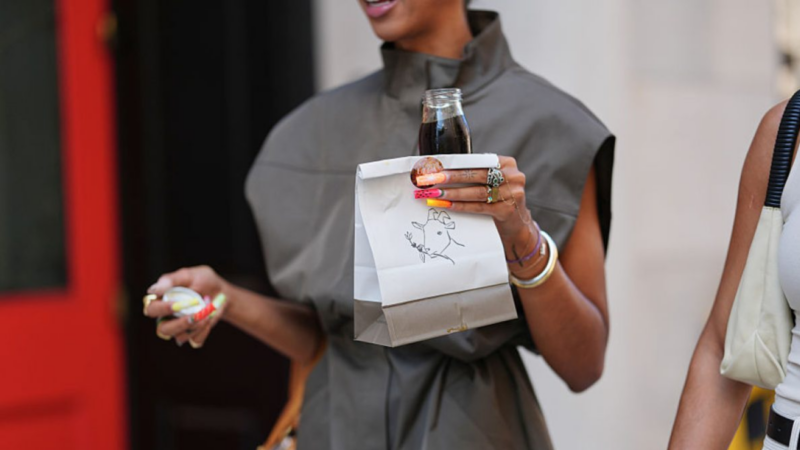
In the face of a mostly stagnant economy and one of the worst job markets in recent decades, people are making smaller purchases that still make them happy. “Joy-based budgeting,” a term used as early as 2013 by Manisha Thakor, is catching on strong.
It “is about being intentional with your money, so it supports what genuinely makes your life better,” Mary Hines Droesch, head of consumer and small business products and analytics at Bank of America, tells ESSENCE of the emerging spending trend. A sweet treat in lieu of eating a meal out? Sure. Cooking at home to make room in the budget for a fancy dinner with friends? Also, yes.
“Instead of cutting everything out, you first identify the spending that brings you real joy — whether that’s experiences, time with loved ones, or meaningful hobbies — and then build your budget around those priorities while still saving consistently,” the Bank of America exec says.
This is catching on particularly strongly with Gen Z. Despite the bank finding that about 56% of Americans expect to scale back on their social lives due to their financial goals in 2026, “joy-based budgeting” is helping the young generation say yes to more plans.
Across the board, it’s evident that consumers are cutting back on discretionary spending. Bank of America itself found a whopping near 90% of U.S. shoppers doing this right now. It makes sense that “joy-based budgeting” emerges as a spending trend. After all, historically, when money is tight and people have less to spend, they seek out smaller things (hence, the Lipstick Index) that still inspire a little happiness.
The most important thing to note about “joy-based budgeting” is that while its purpose may be to bring about happy feelings, it is not rooted in impulsivity.
Droesch recommends looking at your spending history to figure out what brings you joy, whether that’s experiences, hobbies, or food-related expenses. Then, after allocating your after-tax income to cover needs like housing costs — which she says could be as much as half of your monthly income — put at least 20%, if possible, towards savings and the rest towards wants or the joy budget. “By consciously directing towards what truly matters to you, you’ll balance spending that serves your long-term happiness with savings,” she adds.
“Even in uncertain times, people still want to have fun and enjoy life… they’re just more careful about how they spend [their cash],” Droesch says. “Joy-based budgeting helps people be intentional about enjoyment, so they can say yes to what matters while staying on track with longer-term financial goals.”