By Josh Rodgers
Ebony
https://www.ebony.com/

The house always told the story before anyone sat down to eat.
Imagine it: You’re in the kitchen, pots clanking, grease popping, and a wooden spoon is scraping the bottom of a pan that’s been used long enough to know exactly how much heat it could handle. The air is thick with smells you learned to trust before you learned to name them. Recipes passed down without measurements: a pinch here, a taste there. Somebody saying “that’s enough” without ever looking, and somebody else already fixing a plate for the person who needed to eat first.
Hands moved with certainty. Storied hands that had cooked for church repasts, long workdays, celebrations, and the quiet Sundays in between. These meals did more than fill bellies. They held families together, made space for grief, stretched joy, and taught endurance without ceremony.
The radio stayed on. Gospel sliding into soul, with somebody humming while stories were folded themselves into the cooking detailing who left, who stayed, who marched, who organized, and who didn’t make it back home. Oral history moved freely through the room, carried on sound and smell and memory.
This is how Black history has always lived. It lives in spaces where survival and creativity share the same breath. And long before it was formalized, Black people preserved themselves through culture.
In February 2026, Black History Month turns one hundred years old. A full century since historian Carter G. Woodson insisted that a nation built on Black labor could no longer afford to ignore Black brilliance with the initial creation of Negro History Week.
So, as the nation pauses to celebrate what has now evolved into Black History Month, the declaration stands that Black history is American history. There is no honest version of this country that exists without it.
Genius in a Complicated Country
The world would not turn the same without Black people. Agriculture looks different without the curiosity and discipline of George Washington Carver. Journalism loses its moral backbone without the courage of Ida B. Wells. The language of justice is thinner without the clarity and conviction of Martin Luther King Jr. Even hope sounds different without the voice of Mahalia Jackson, singing faith into rooms heavy with doubt.
And yet, all of this unfolded inside a country that repeatedly worked to limit Black progress while benefiting from Black innovation. That contradiction sits at the center of the Black American experience. We built institutions while being excluded from others. We advanced culture while being denied power. We found joy in spaces shaped by struggle. That tension did not weaken Black life. Moreover, it taught us that refinement and resilience were cousins we would often lean on as we seek to center joy in the midst of chaos.
Culture as Continuity
You can trace that refinement through television and film. When Yvette Lee Bowser brought Living Single to life, she centered Black ambition, humor, and intimacy at a time when that visibility was far from guaranteed. Years later, Issa Rae expanded that inheritance with Insecure, capturing modern Black life with honesty and specificity that trusted the audience to keep up. Black culture moves to build, then it widens the frame.

That same rhythm shows up across sports and style. The prowess of Michael Jordan became a global mythology, not just for what he did on the court but for what excellence looked like when it refused to shrink. Allen Iverson offered a different lesson. He showed up fully himself and dared the institution to respond. His braids, his vibe, his honesty taught a generation that authenticity carried its own authority. Even beauty became a declaration, whether through hair, fashion, or nail art brands like Flo Jo’s nails, where self-expression did not ask for approval.
That same rhythm shows up across sports and style. The prowess of Michael Jordan became a global mythology, not just for what he did on the court but for what excellence looked like when it refused to shrink. Allen Iverson offered a different lesson. He showed up fully himself and dared the institution to respond. His braids, his vibe, his honesty taught a generation that authenticity carried its own authority. Even beauty became a declaration, whether through hair, fashion, or nail art brands like Flo Jo’s nails, where self-expression did not ask for approval.
What linked these moments was not fame or spectacle, but circulation. The way style, confidence, and conviction moved from bodies to blocks, from screens to sidewalks. What we saw in arenas and magazines did not start there. It has roots back home.
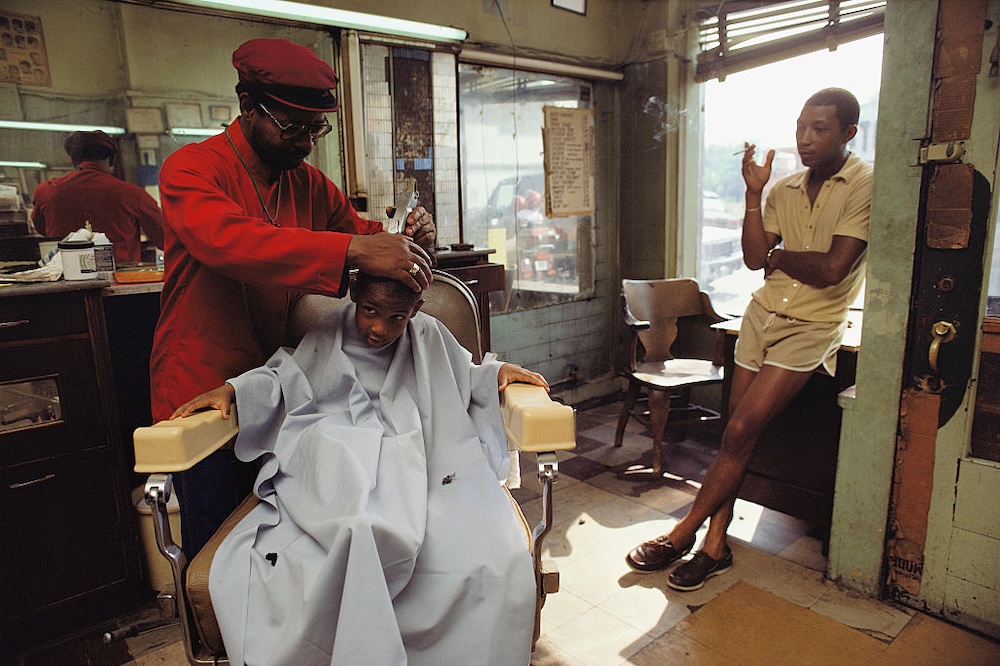
And much of this cultural renaissance can be traced to the storefronts of small businesses and Black living rooms. Before anyone called them “community hubs,” barbershops and beauty shops were already doing the work. They circulated money, advice, debate, and care. Culture survives because it has places to land. Spaces where identity is affirmed, stories are exchanged, and continuity is practiced, day after day.
Faith, Power, and Possibility
The Black church carried that same responsibility. It has been sanctuary, strategy room, organizing space, and refuge. Even as it evolves, it remains a place where faith and resilience meet. Leaders like Bishop G. E. Patterson, Dr. Gina Stewart, Rev, Clay Evans, and Jarena Lee remind us that Black spiritual leadership has often times served as a compass and guiding voices through life’s most impactful moments.
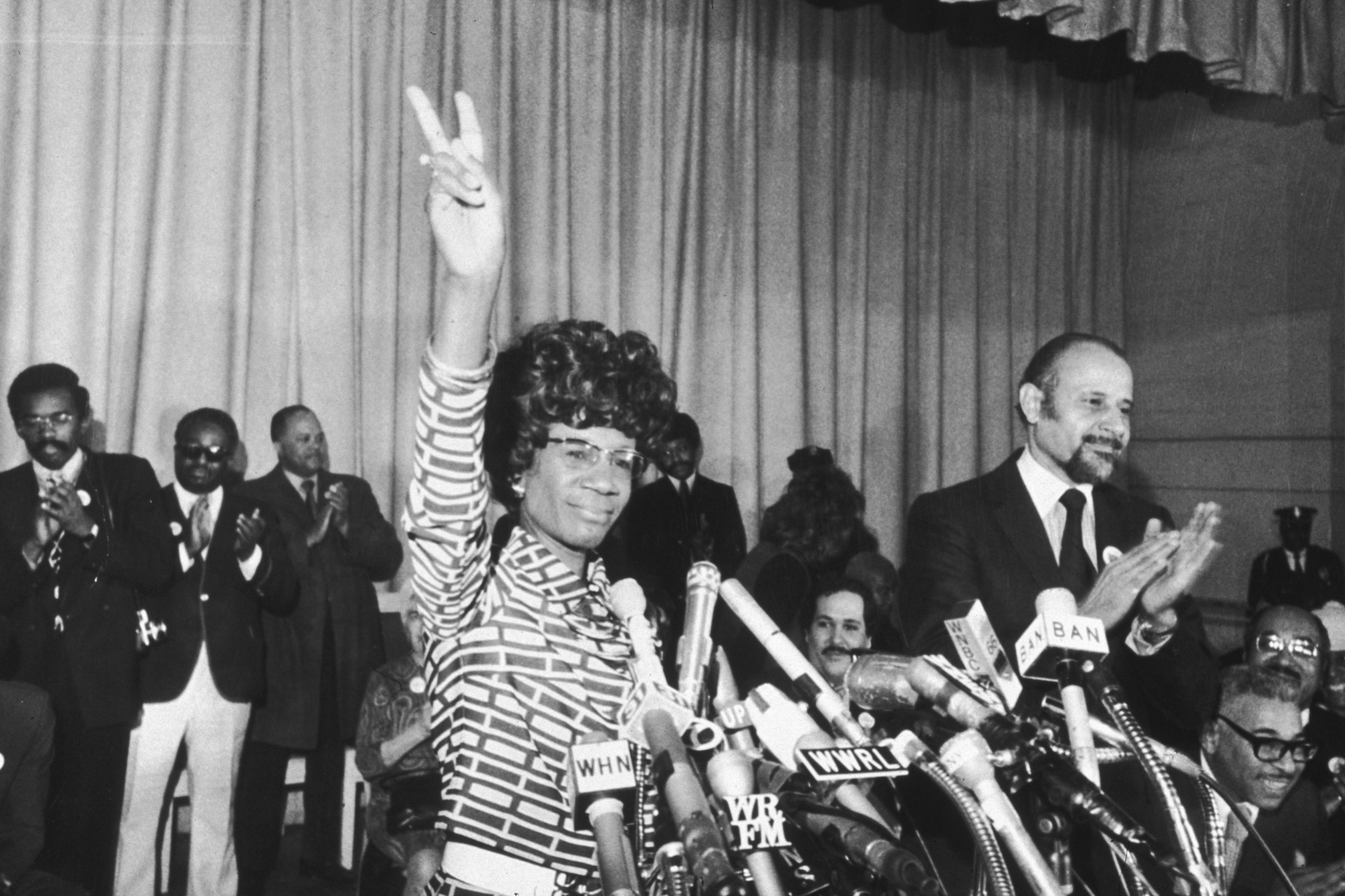
Politics followed a similar path. Shirley Chisholm challenged the limits of representation long before it was fashionable to do so. Barbara Jordan spoke with constitutional clarity that anchored moral authority in law. John Lewis reframed patriotism as principled discomfort. Barack Obama and Kamala Harris expanded the nation’s imagination of what leadership could look like.
That imagination was sharpened by resistance that often preceded it. Fannie Lou Hamer taught the country what courage sounded like. James Baldwin refused to let America lie to itself. Medgar Evers, Malcolm X, and Septima Clark made it clear that truth, education, and resistance were inseparable.
Institutions That Built Leaders
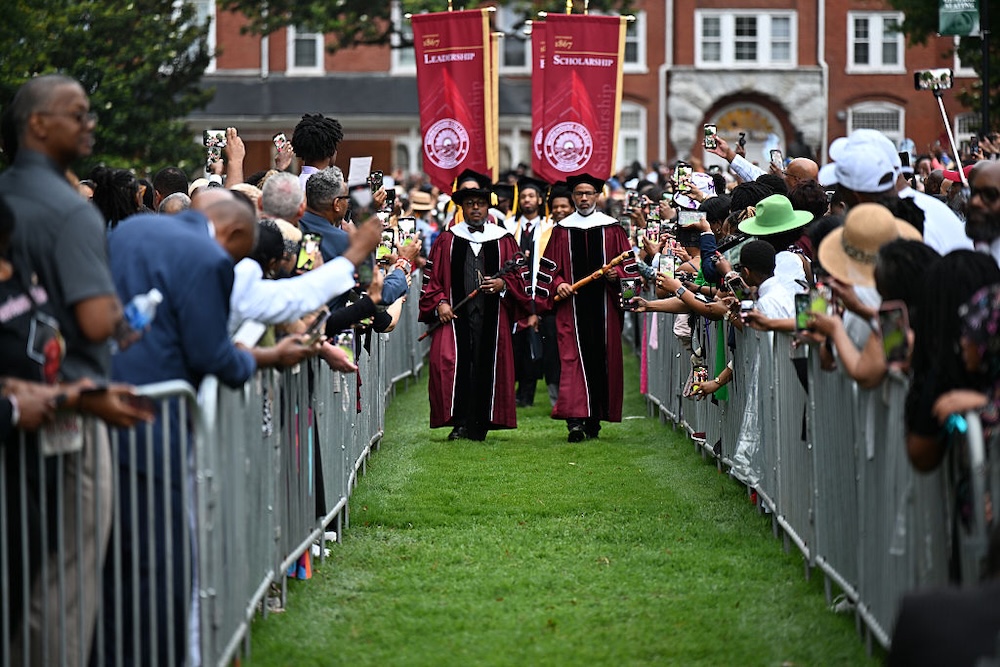
Historically Black colleges and universities sit at the center of this legacy. When exclusion was policy, HBCUs became engines of excellence across regions, disciplines, and generations. From private institutions to public land-grant schools, they shaped thinkers, artists, organizers, and leaders who carried culture, scholarship, and service into every corner of society.
Whether in Atlanta, the Mississippi Delta, Tennessee, Louisiana, or beyond, HBCUs did this work with intention, often with limited resources and extraordinary expectations, proving that excellence was never confined to one campus but woven into the mission of them all.
Black Greek Letter organizations complemented that work. With many of the Divine Nine founded at HBCUs, Greek life for Black people helped transform scholarship, service, and leadership into infrastructure. Across each respective organization, generations were trained to see community care as an obligation, not an option. And the training mechanisms meant leadership was not accidental. Rather, it was something that was intentionally cultivated.
Cultural Legacy Still In Motion
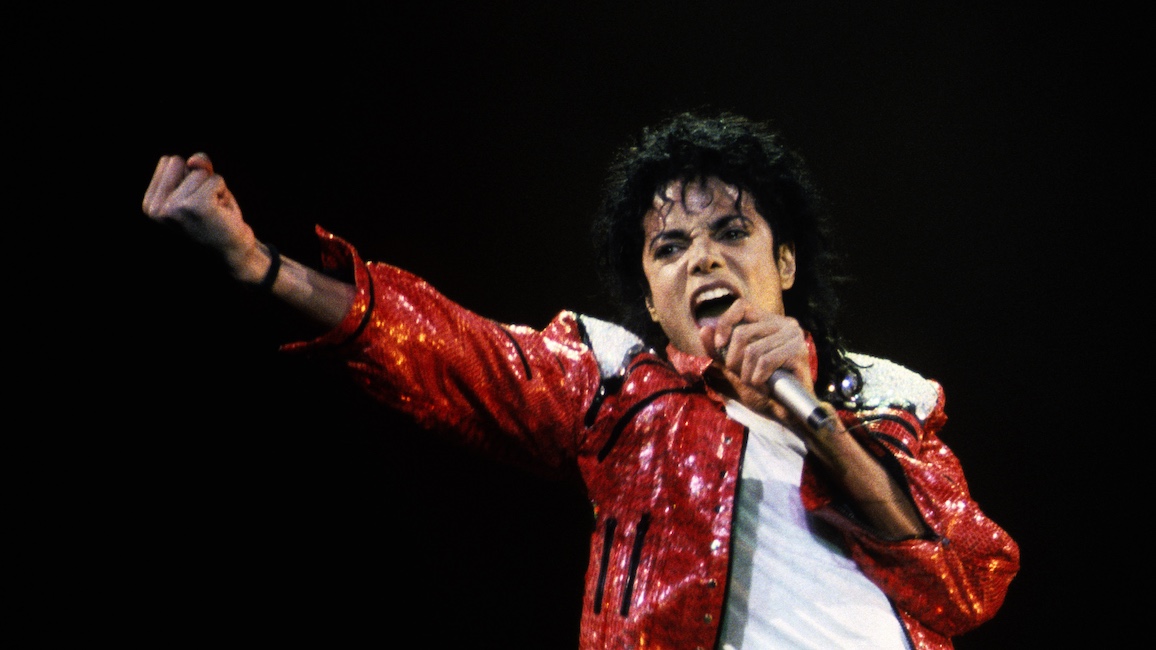
Culture carries the inheritance even further. A boy from Gary, Indiana, grew into the phenom that is Michael Jackson, the most recognizable entertainer the world has ever known. Decades later, Beyoncé continues to redefine excellence, ownership, and creative control on a global stage.
But it does not stop there. From The Temptations and Aretha Franklin to SWV, Musiq Soulchild, Stevie Wonder, and Chance The Rapper, along with the many entertainers and influencers who came before and in between, the culture has been carefully held and shaped by those who understood its weight and responsibility.
That stewardship did not end because the future is already speaking, carried through creators like Marsai Martin, cultural forces like Kai Cenat, voices like Amanda Gorman, and musicians like Samara Joy.
The Sacred Work Of Preservation
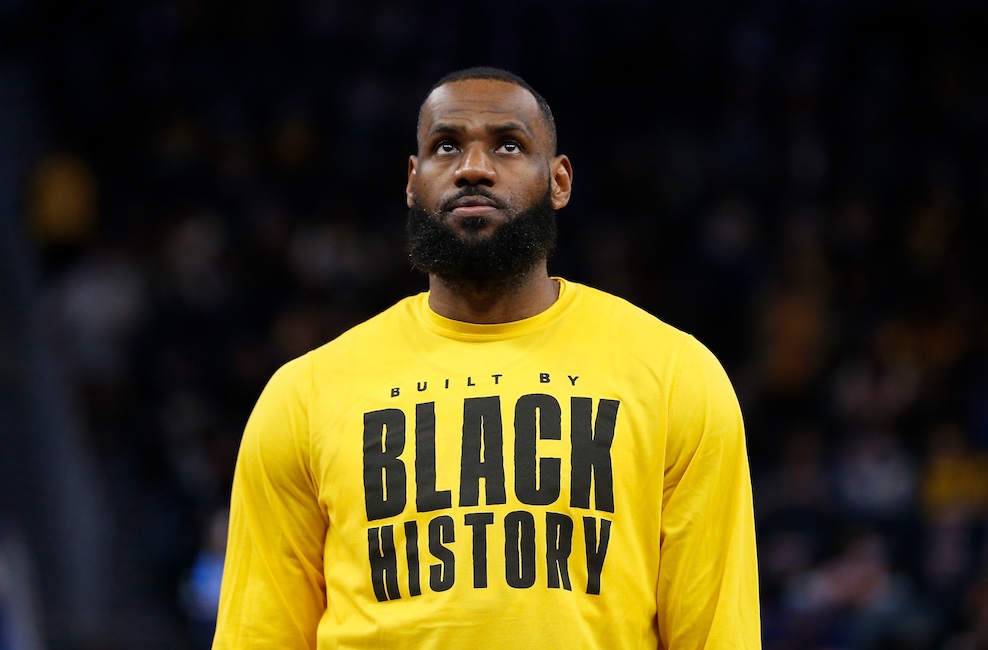
And the story still lives closest to home. In the Big Mama who raised most of the kids on the block without ever calling it leadership. In the candy lady who fed a neighborhood and taught children what generosity looked like in real time. In the Unc on the grill, offering wisdom between laughs and theology tucked inside humor. In teachers who made miracles with limited resources and an unshakable sense of calling. In cooks whose hands passed down memory, discipline, and love, feeding generations more than food.
This is Black history.
One hundred years in, Black History Month remains necessary not because the story is finished, but because it is still unfolding. It lives the way a sacred meal lives, nourishing memory, sustaining identity, and reminding us that survival itself has always been an act of faith, intention, and brilliance.