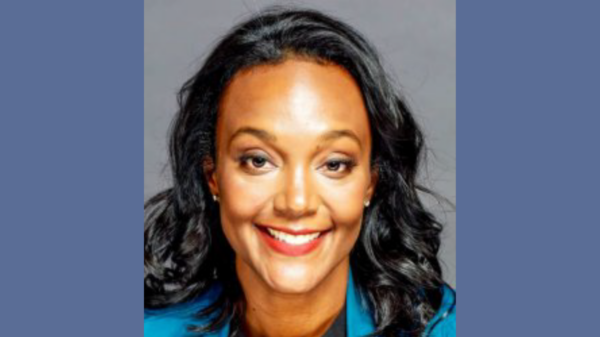
By Hope Giselle-Godsey
Minnesota Spokesman-Recorder
https://spokesman-recorder.com/

Every year around this time, we gather in churches, community centers, and dimly lit rooms to read the names of people the world never cared to learn while they were alive. We cry, we hug, we hold each other up, and then most of us go home, and the world keeps spinning like it didn’t just take another one of us.
As a Black trans woman, I’ve stood in those spaces where the grief itself feels heavy. I’ve also been outside those spaces, watching people who need to be in the room choose not to show up. And I have to be honest: sometimes the Transgender Day of Remembrance (TDOR) feels like something we do for the moment, not for the movement. It has become an event you post about, instead of a call you answer.
So I keep coming back to the same question: What are we doing tomorrow?
TDOR wasn’t created for hashtags or polished graphics. It began as an act of defiance, a demand that the world stop ignoring our deaths. Yet somewhere along the way, our pain got softened, packaged, and made palatable. We read the names, but we rarely talk about why we keep adding new ones. We mourn the losses, but we don’t demand accountability for the systems and of the people responsible.
Grief is exhausting, yes. But we cannot simply remember; we must rebuild. We cannot just light candles; we must light fires under the systems that make our lives disposable. Because the violence against Black trans women is not random, it is cultural, political, and systemic. It thrives in silence, in what we refuse to name, in the spaces where our stories get edited out.
This year, I’ll be at the vigil. I’ll read the names. But I’ll still be asking: What are we doing tomorrow?
To answer that, I’m calling for something bigger than a ceremony. We need a Blueprint for Change, a living model that communities across the country can adapt not only to grieve trans lives, but to save them.
1. Build bridges between Black men and Black trans women.
Our liberation is intertwined. We need intentional spaces for dialogue, barbershop conversations, healing circles, and community workshops. When Black men understand that protecting Black trans women strengthens the whole community, lives are saved.
2. Redefine safety through real accountability.
Symbolic gestures from law enforcement aren’t enough. Cities must implement accountability systems led in partnership with Black trans advocates: annual bias and cultural-competence training, transparent incident reporting, community oversight boards, partnerships with trans-led groups, and accurate data collection. Safety requires consequences and transparency.
3. Fund Black trans–led organizations year-round.
Groups like The Mahogany Project, The Knights and Orchids Society, and Transinclusive Group provide housing, food, and crisis support on limited budgets. Consistent funding, not seasonal charity, keeps people alive.
4. Center local leaders in national conversations.
Solutions are being built in places like Birmingham, Baltimore, and Baton Rouge. National outlets and organizations must uplift and replicate these local innovations.
5. Make TDOR a call to action, not just mourning.
Every TDOR should end with concrete next steps: volunteering, donating, attending town halls, or pressing law enforcement for accountability.
If we embrace this blueprint, remembrance can become a revolution, a strategy for safety, healing, and survival. Because we don’t need another ceremony. We need a plan. This TDOR, when we say their names, let’s also say our commitments.
Let’s promise not only to mourn, but to act.
This commentary first appeared in Word in Black. It has been edited for length. For more information, visit www.wordinblack.com.