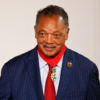
By Dr. Barbara Reynolds
The Washington Informer
https://www.washingtoninformer.com/

Stephen Colbert and Jimmy Kimmel — giants of late-night television — now find themselves facing censorship, dismissal or forced silence when their words cross the powerful. That should alarm us all. If media figures of their stature can be muzzled, what chance do ordinary journalists or community truth-tellers have?
I know this pain personally. Decades ago, I was among the first Black women to sit on the editorial board of a major newspaper. I was eventually pushed out — not because of poor work, but because my views did not align with the white male owners. They praised the virtues of free press while silencing those who tried to practice it.
The issue is not new. It is the age-old clash between voices that speak truth from the margins and systems that demand loyalty to privilege. When I wrote about poverty, inequality or the struggles of ordinary people, I was not being rebellious. I was testifying. But privilege prefers a flattering portrait over an honest mirror.
On many occasions, my white colleagues and I could be in the same room or were looking at the same set of facts, but walk away with conclusions as if we existed on different planets. For example, once a popular U.S. senator came to our editorial board meeting to boast about the massive cuts in health programs which would save the taxpayers billions. But when I questioned how many children would be malnourished or sick because of the cuts, the reaction was almost like a pair of skunks had invaded the boardroom.
It was often painful to see stories that were crucial to the health and welfare of people of color considered not news or heavily edited, which diluted their importance. For example, I investigated how Medicaid policy actually destroyed the practices of African American doctors, leaving not only their patients medically neglected but fractured the livelihood of the doctors. If this condition had not been centered in the Black communities, it would have been front-page news. But pushing for coverage of these kinds of stories aided in my exit.
Not all of my time at the paper was negative, but it was very frustrating that the opinions of the white writers sailed to the finish line while mine were circumspect, challenged and too often berated. The fight for equality in the newsroom for civil rights and liberties was often as challenging as the protests we covered outside.
My honesty cost me my livelihood. My words were branded a “poison pen,” too inconvenient, too unwilling to play along. I wrote not to comfort the powerful but for the poor, the struggling and the left out — because I had once been there myself. That lived truth was not welcome in the boardroom.
What was brushed aside as “minor” in my case is now playing out on a much larger and more dangerous scale. In-house censorship has metastasized, and it increasingly resembles the playbook of dictatorship.
Former President Donald Trump has made no secret of his disdain for independent media. He has pressured networks like ABC and CBS to soften unfavorable coverage. He has filed defamation suits against The Wall Street Journal and The New York Times. His allies in Congress stripped federal funding from NPR and PBS. The FCC, under his influence, has targeted diversity, equity and inclusion programs while vowing to root out what he calls “liberal bias.”
In a recent interview, Trump made his intentions clear: Networks, newspapers and talk show hosts that portray him unfavorably will be punished. That pressure is already reshaping major newsrooms once trusted to be fair.
Distinguished Black journalists, in particular, have been washed out. At The Washington Post, opinion columnist Karen Attiah was dismissed after she challenged right-wing commentator Charlie Kirk’s demeaning claim that Black women — including Michelle Obama and Justice Ketanji Brown Jackson — “lack brain processing power.”
The attack on the press goes further. The administration has imposed restrictions on journalists covering the Pentagon, requiring them to pledge not to report information unless it has been officially authorized. If such rules stand, they won’t stop at the Pentagon — they will spread across agencies, handcuffing reporters from doing the very job democracy depends on.
Silencing voices — whether late-night hosts or unknown columnists — does not erase the truths they speak. It only deepens the divide between those who hold power and those who live with its consequences.
That is why the warning signs must not be ignored. When journalists and commentators are stripped of their platforms, it is not simply their loss. It is the public’s loss. Every silenced voice leaves us with less information, less accountability and less freedom.
The silencing also highlights an opportunity to support the Black Press, the hundreds of Black-owned newspapers as well as the podcasts and responsible social media that carry a variety of news.
The silencing of “minor” voices decades ago prepared the ground for today’s assault on “major” ones. If we fail to resist now, the next silenced voice may not belong to a journalist or comedian — but to the people themselves.