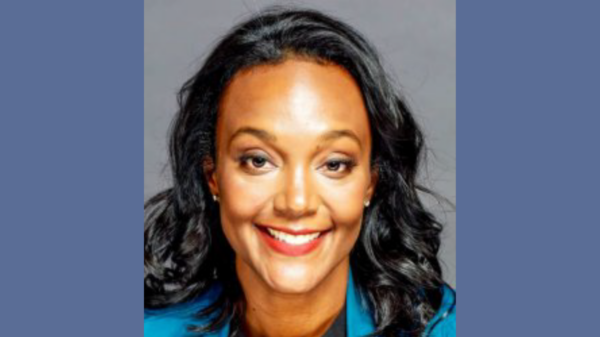
By Sylvia Powers
Correspondent
I Messenger Media

Photo: Sylvia Powers
When Hurricane Katrina struck in 2005, hundreds of thousands of Louisiana residents were forced to flee their homes. Many found refuge in Dallas and Houston, carrying little more than memories and resilience. What began as displacement slowly transformed into entrepreneurial opportunity—bringing Dallas a new wave of Southern culture, Cajun cuisine, and business ingenuity.
A Journey That Changed Everything

the community
For Louis Rainey, the storm became more than a natural disaster—it was a turning point. Having worked for the Democratic Party, Rainey left New Orleans with 15 family members at 3:00 A.M. on the eve of Katrina, heading toward Dallas. A seven-hour drive turned into a grueling 16-hour journey, leading them to one of the few hotels with available rooms.
In the past, hurricanes had meant temporary evacuations, almost like a short vacation. But this time was different. Within hours, Rainey lost contact with family members still in New Orleans and plans to return quickly evaporated. As the city’s devastation deepened, other family members, friends, and colleagues sought shelter between the Hilton Anatole and the Marriott on Stemmons Freeway. What began as an emergency stay turned into a permanent move that changed his career path forever.
Since Rainey’s wife, Tracee, was from Dallas, the couple ultimately decided to stay. While most of their relatives eventually returned to New Orleans, four members of the family chose to build a new life in Texas.
Rainey started a disaster relief company called the Yeniar Group. He would bring in trailers and remove the plastic from the trailers. He went from contract to contract with the government. He then went from dealing with hundreds of people to thousands.
He and Tracee, who had only been married two years before Katrina hit, started their family in Dallas. Their “Katrina baby” was born a year after the storm. Today, he is a sophomore at Florida A&M University and president of his class.
Although Rainey did not want to go into the restaurant business, he admits his family has always been involved in the restaurant industry.
“I went to lunch with the owner of a local restaurant. He said that he would make me an offer that I could not refuse. Then he actually gave a deal that I couldn’t refuse. I went home, talked to my wife after the meeting we decided to accept the offer,” said Rainey.
After focus group meetings, they gutted the building and turn it into the Pelican House Restaurant, which is in Duncanville.
“At first it was a casual dining facility and from there it went up to a fine dining facility, which we still believe is a fun dining.”
The Pelican House has hosted movie scenes, political meetings, and become an upscale hangout for pastors, politicians, and entertainers.
Building Businesses Out of Brotherhood
Not all Katrina stories followed the same path. For DeSean Cagnolatti, the move to Dallas happened before the storm hit. When Katrina made landfall, his focus was on bringing family safely to Texas.
“Katrina sped up everything—every plan we had,” Cagnolatti recalled. “My journey was more fast-paced, trying to get my kids and family back here to safety, instead of me getting to safety myself.”
Cagnolatti’s future business partners, Keith Cryer and Theo Bias, were pushed to Dallas by the storm. The three friends from junior high school had kept in touch over the years. They reunited in North Texas, where they decided to turn shared culture into a joint venture.
At a Thanksgiving dinner, Theo asked DeSean what he was working on. By Monday, the group had drafted a business plan. Instead of becoming competitors, they chose to join forces and be collaborators.
Although they opened their doors in December of 2012, a year later they held a grand opening for their New Orleans–inspired daiquiri business—The Daiquiri Shoppe in Grand Prairie.
To their surprise, more than 700 people showed up. “That’s when we realized we were a thing,” said Cagnolatti. “There was a need—and people loved us. We just made sure to stay authentic, true to how daiquiris are done back in New Orleans.”
A Cultural Bridge
For many displaced natives, Cajun and Creole cuisine became a natural bridge between past and present. Authentic dishes, vibrant flavors, and the warm hospitality of New Orleans anchored their businesses in Dallas while introducing the city to a new dimension of Southern culture.

soul of New Orleans.
Photo: Sylvia Powers
Author Lynette Norris Wilkinson, who chronicled her community’s resilience in Untold: The New Orleans 9th Ward You Never Knew, remembers hosting 14 relatives in her Dallas home after the storm. Her brother, who stayed behind to protect their house, was unreachable for weeks before finally making it to safety.
Wilkinson believes that what has made displaced New Orleanians thrive in Dallas isn’t just their recipes or traditions—it’s the soul and spirit of the people.
“It’s really the culture of New Orleans residents,” she explained. “It’s not just our attitudes, but the way we communicate. You can meet someone from New Orleans, and they’ll be your friend. You sit down, share a meal, and have a good time. Everything about it has a flavor—a flavor of New Orleans that you can’t mistake.”
Where the Soul of Louisiana Meets Dallas
Today, Dallas is dotted with businesses that trace their roots to Katrina. They are restaurants, event spaces, and companies that began as survival strategies but blossomed into symbols of success.
For Rainey, Cagnolatti, Cryer, Bias, and many others, the tragedy of displacement became a pathway to triumph. Through food, fellowship, and entrepreneurship, they brought the soul of Louisiana to the heart of Dallas—proving that even in the face of devastation, culture and community can build a foundation for lasting success.
Rainey puts it best: the motto of his restaurant is “From the Soul of New Orleans to the Heart of Texas.”
Sylvia Powers is an award-winning author, accomplished writer, gifted photographer, and nationally recognized breast cancer advocate with a deep passion for empowering others.