By Sulwa Siraj
The African Film Festival (TAFF), hosted annually in Dallas, kicked off its 10 year anniversary with a panel organized by the City of Dallas’ Black Employee Support Team (BEST), and held at Dallas City Hall.
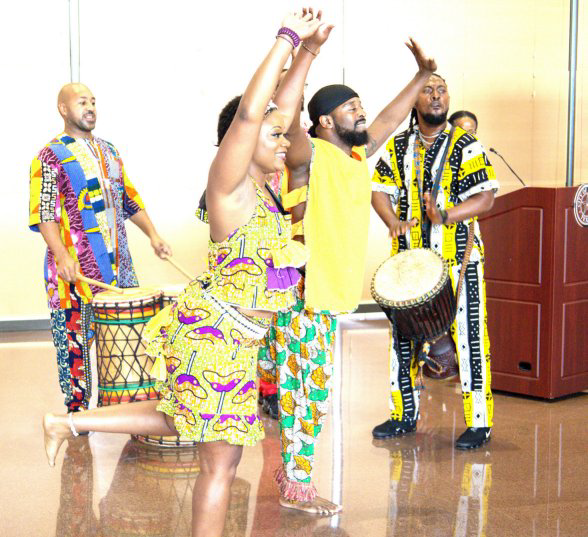
Event attendees and onlookers alike watched in awe of the traditional African dance and drums performed by Dallas-based African ensemble Bandan Koro prior to the start of the event.
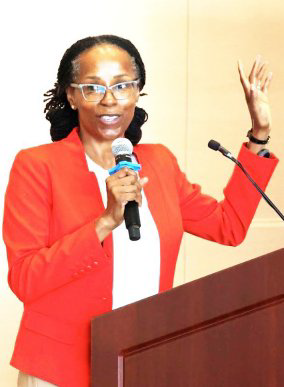
of BEST, during her opening remarks
“Today’s discussion is not a traditional Juneteenth program,” said Danielle McClelland, interim president of BEST, during her opening remarks.
Titled Connecting Our Continents, Telling Our Stories, the event focused on bringing African filmmakers and local leaders together to engage in a powerful dialogue about bridging the divide between African immigrants and Black Americans.
“Dallas has a large African immigrant community that’s very engaged, but often isolated from the African American community,” McClelland explained in a pre-panel interview. “This program is an attempt to bridge that, to create exposure and awareness that not only is there a vibrant and strong African community in North Texas, but this community has a lot to offer.”
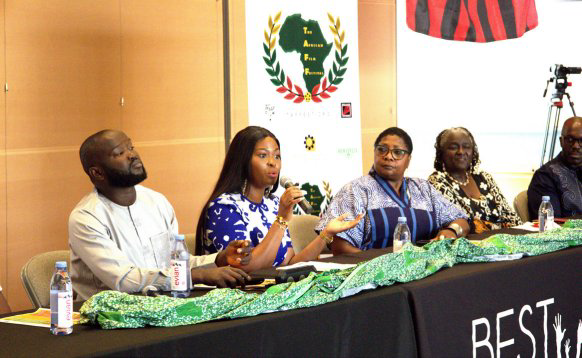
The panel was moderated by Monica Tetteh, Digital Marketing Manager for Dallas Parks and Recreation. Guest speakers included Liberian actor and producer Vivian Omoke, multimedia executive Alhagie Manka, TAFF community liaison Lenora Casmore, investment advisor Robert Muruli, former Africa liaison for the city of Dallas Regina Hill Onyeibe, and visionary filmmaker and TAFF founder Chijindu “KC” Kelechi Eke.
KC, who founded TAFF in Dallas 10 years ago, shared how his own experience inspired the creation of the festival.
“I saw a growing number of African immigrants here in Dallas, and I also saw the unspoken, kind of strange relationship between Africans and African Americans.” KC said. “So I began to look for a way to build platforms to bridge these cultures. We wanted to have this as a platform where we can have sincere communication and better understanding on both sides.”
Each panelist emphasized that film and cultural programming are more than entertainment. Omoke spoke about the power of storytelling as a tool for reclaiming identity as well as understanding others.
“It’s very important for us to tell our stories,” she said. “By telling our stories and putting them out there, it also helps us respect other people’s cultures.”
Casmore similarly touched on the power of film in fostering a sense of recognition between Africans and Black Americans, allowing for each community to see themselves in each other’s stories.
“With film you get to share not only culture but you get to share your struggles.” Casmore said. “You get to see that people from a global standpoint are going through some of the same things that are happening right here in America.”
While the panel was just the beginning, the energy in the room suggested that its impact would carry forward. TAFF screenings continued until the end of the week, the hope being that art could help carry conversations across Dallas and beyond.
“A good story is a good story,” McClelland said. “And the human story is universal to all of us, no matter where home is.”
Photos: Destiny Kombe-Kajue/TMN
Sulwa Siraj is an intern working for Texas Metro News through UNT’s Emerging Journalists Program. She enjoys writing poetry as well as studying psychology.