By: Seven Jamison
I don’t know about you, but I’ve had this weird feeling lately. It’s like we’re all sitting on the couch, trying to watch our favorite shows, but some phantom hand keeps snatching the remote. First, the funniest, sharpest guy on late-night gets canceled.
Then, the volume on public radio and TV gets turned way down. It’s enough to make you look over your shoulder and ask, “Hey, who’s in charge here?” Is free speech just having a bad day, or is this the new normal?
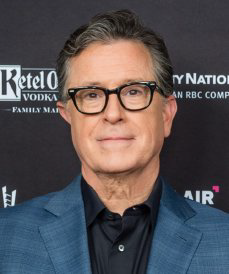
Let’s talk about Stephen Colbert. When the New York Post broke the story, the official
line from CBS was that it was a “financial decision.”
And to be fair, as outlets like TVLine often report, the financials of network TV are complicated. But come on. Lots of shows lose money. That’s just part of the TV game. You take risks, you carry shows for the prestige, you build a diverse schedule.
To single out the number one rated late-night show just doesn’t pass the smell test, especially when the public reaction was so immediate. Latenighter.com reported that over 200,000 people signed petitions demanding the show be brought back.
It all feels a little too convenient, you know? This is the guy who relentlessly called out his own bosses. And right after a big corporate merger, he’s the one who has to pack up his desk? The New Republic noted that President Trump immediately took to social media to celebrate, and USA Today caught David Letterman’s reaction, reminding everyone, “You can’t spell CBS without BS.” It’s hard not to feel like the official reason is the story they want us to hear, not the whole story.
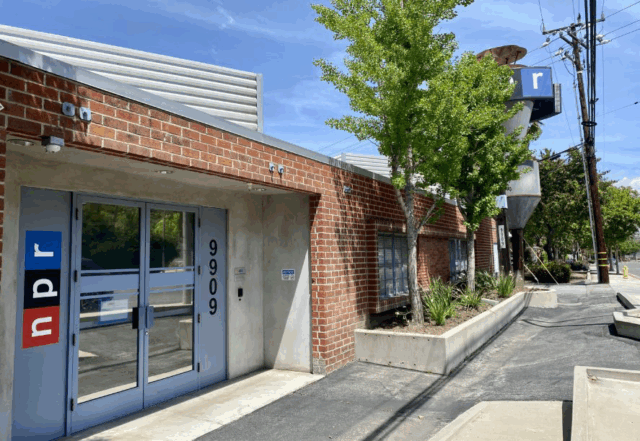
And if you think this is just some drama for big-city TV hosts, think again. Around the same time, as first reported by The New York Times and confirmed by PBS NewsHour, a budget cut of more than a billion dollars slammed into public broadcasting. According to analysis by Deadline, this isn’t just some line item in a D.C. budget. It’s a move that could devastate smaller, rural stations.
Think about the person driving through West Texas late at night, where that one NPR station is the only thing keeping them company. They’re not involved in some political feud with the White House, but they’re the ones paying the price.
But look, this isn’t me pointing fingers in just one direction. That would be too easy. The truth is, the impulse to shut people up is an equal-opportunity problem. I’ve seen my conservative friends get booted off social media for saying something that tripped an algorithm or offended a moderator.
I’ve seen speakers get shouted down on college campuses because students decided their ideas were too harmful to even be heard. It seems like no matter what side you’re on, someone, somewhere, wants to put a piece of tape over your mouth if they don’t like what you have to say.
And that’s what really gets me. What happened to just disagreeing? What happened to the idea that the best way to fight a bad idea is with a good one, not with a kill switch? When you put all the pieces together, from the canceled host and the defunded stations to the social media bans, a pretty chilling picture starts to form.
We have a president who campaigned on protecting free speech, but the climate feels more restrictive than ever.
So I’m left wondering, what does free speech even mean now? Is it just for the people who agree with us? Is it only for the shows that turn a profit and don’t ruffle any feathers? I hope not. Because right now, it feels like we’re all just staring at a flickering screen, watching the static, and wondering if anyone is still broadcasting at all.
Seven Jamison is an intern working for Texas Metro News through the Scripps Howard Fund Emerging Journalist Program at UNT. He enjoys writing about politics and culture.