A proposal to outlaw most of the consumable products containing hemp-derived THC is picking up speed during the special session.
By Karen Brooks Harper
Dallas Morning News
https://www.dallasnews.com/
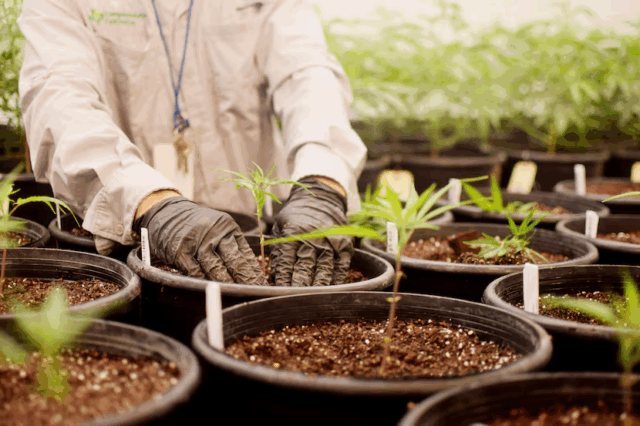
AUSTIN — Proponents of banning synthetic hemp-derived THC consumables are trying to build support for Texas’ recently expanded medical marijuana program, stressing that it provides a safer and more effective alternative to the unregulated vapes and gummies being sold in gas stations across the state.
“Cannabis is what has saved the lives of so many veterans in this country, but this unregulated version of cannabis is dangerous,” Sen. Roland Gutierrez, D-San Antonio, said in a Capitol news conference Wednesday promoting the Texas Compassionate Use Program.
A proposal to outlaw most of the consumable products containing hemp-derived tetrahydrocannabinol, the psychoactive compound in cannabis plants such as marijuana, is picking up speed during the session. Gov. Greg Abbott vetoed a similar ban last month and said publicly several times this week that he opposes a total prohibition on hemp-derived THC consumables.
Legislation that would place age limits, packaging requirements, and regulate THC derived from hemp in a way that is similar to how the state oversees alcohol — a plan Abbott has said he would support — is expected to be filed in the House this week.
A similar bill failed during the regular session earlier this year, mainly because it had no backing in the Senate, where Lt. Gov. Dan Patrick has adamantly opposed anything other than a total ban on the $8 billion retail industry that has grown to some 8,500 retailers in the past five years.
Abbott has already signed legislation banning synthetic hemp-based THC vapes, along with outlawing the sale of devices for nonintoxicating substances like nicotine with parts made in adversarial countries, namely China.
Gutierrez, who supports legalizing both medical and recreational marijuana like dozens of other states have done, said Wednesday he voted for the ban on the entire retail market because lawmakers expanded the medical marijuana program, known as TCUP.
The push to ban those products faced intense backlash both from retailers who have invested millions into their businesses after their products were legalized through federal and state farm bills in 2019. It also brought strong, vocal resistance from veterans who said the medical marijuana program was insufficient.
Wednesday’s news conference, in which Gutierrez stood with doctors, patients and the head of the state’s leading medical marijuana provider, was the latest move in an increasingly aggressive push to head off another wave of opposition to the hemp ban.
“I’m here to highlight, like everyone here, the vital role that the Texas Compassionate Use Program plays in providing safe, legal access to medical cannabis,” said Nico Richardson, CEO of Texas Original, which provides medical marijuana. Texas Original has suffered financially with the rise of the hemp-based THC retailers.
“Unless action is taken to address the unregulated hemp industry on the other side, TCUP and its patients who rely on it will remain in jeopardy,” Richardson added.
Created about 10 years ago and still considered one of the more narrow medical marijuana programs in the nation, TCUP has about 116,000 active participants. The program got a shot in the arm earlier this year when lawmakers increased the number of allowed licensees from three to 15 and put a number of other measures in place that they promised would widely increase access to medical-grade, prescription-only THC from marijuana.
Those measures include increasing the concentration of THC allowed in doses, letting customers use inhalers or vaporizers to access the medication, and allowing for more dispensary and storage sites across the state so prices can come down, deliveries can be faster and pickup is easier for more people.
Lawmakers also added several ailments to the list of health conditions that would qualify patients for the program, including Crohn’s disease. The list also includes post-traumatic stress disorder and cancer.
“This TCUP program has improved and continues to improve, and I think today stands on what can be a very good platform into the future,” Gutierrez said.
Even after the expansion, the program has miles to go before it can effectively serve those who still seek out hemp-derived cannabinoids such as THC-A for problems with appetite, sleep and anxiety problems, several people testified in a Senate committee on Tuesday.
The program does not supply patients with official ID cards stating that they’re in the program, jeopardizing them if they are found to be with a prescription, said Susan Hays, an attorney and lobbyist, and a member of the Texas Department of Public Safety’s TCUP advisory commission.
There are also no protections for TCUP patients who are subjected to drug tests while they’re on probation or parole, she said.
Several veterans and other patients who qualify for TCUP told senators the program is simply too expensive, while others said the treatments are too strong or don’t work as well as the products they’ve found in retailers in recent years.
On Wednesday, rehabilitation and pain management doctors said problems patients might have encountered with prescription cannabis can be solved by working with their doctors on treatment plans, systems and dosages. A critical component to expanding it, they said, is simply raising awareness and education about medical uses for cannabis.
“We were taught drugs are bad,” said Dr. Morvarid “Mo” Rezaie, a palliative care physician at the Center for Cancer and Blood Disorders, which has several locations in the Dallas area. “It took a lot of self-education, but I think it’s growing, especially with more and more physicians learning about TCUP, and more and more patients coming and talking to me like, ‘Hey, my neighbor told me about medicinal cannabis, and they had cancer too. Could I get it for me?’ … I think that’s just going to grow even more.”
Karen Brooks Harper is a Mizzou alumna who has covered Texas politics in and out of Austin for nearly 30 years. She’s also covered the cartel wars along the TX-MX border, Congress in Mexico City, 3 presidential races, and 6 hurricanes. Raised on blues in the MS Delta, she lives in ATX with her son, her boxing gloves, and her guitar. In that order.
This story, originally published in The Dallas Morning News, is reprinted as part of a collaborative partnership between The Dallas Morning News and Texas Metro News. The partnership seeks to boost coverage of Dallas’ communities of color, particularly in southern Dallas.