By Joanna Cattanach
Program Coordinator
Dallas Media Collaborative
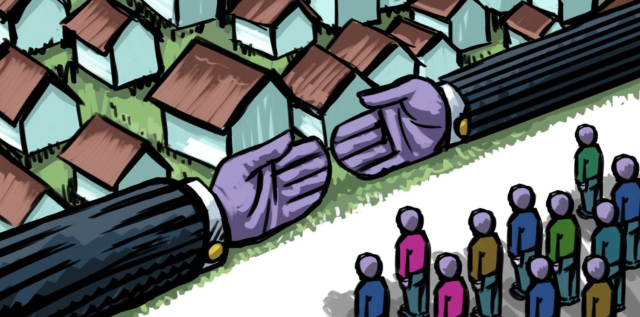
The bond funding —in any amount— can partially alleviate gap funding for the growing affordable housing crisis in Dallas, according to the Child Poverty Action Lab.
“Research tells us that when families are housing cost burdened —when they pay 30% or more of their income on housing expenses— they are forced to make trade-offs,” said Ashley Flores, CPAL’s Senior Director. These families resort to sacrificing nutritious food, preventative healthcare, and educational opportunities, to keep a roof over their head.
“The stress of unaffordable housing can manifest in mental and physical health issues for parents and can impact academic achievement for kids, ultimately impacting prospects for long-term economic mobility,” Flores said.
“Dallas ranks 10th out of the 12 largest cities for affordable housing units in “high opportunity” census tracts and remains the most segregated big city in Texas – and among the most segregated big cities in the nation.” — Child Poverty Action Lab
So what could affordable housing bond funding look like in Dallas? And what effect would it have on communities in need?
That depends. Affordable to a single, full time employed GenZ who can live in a 600-foot efficiency apartment close to an entertainment district, isn’t the same for a working family of four in West Dallas with two kids in school. Nor is it the same for LGBTQ seniors who could once afford their home and rent in the Oak Lawn area but, through gentrification, have been priced and taxed out.
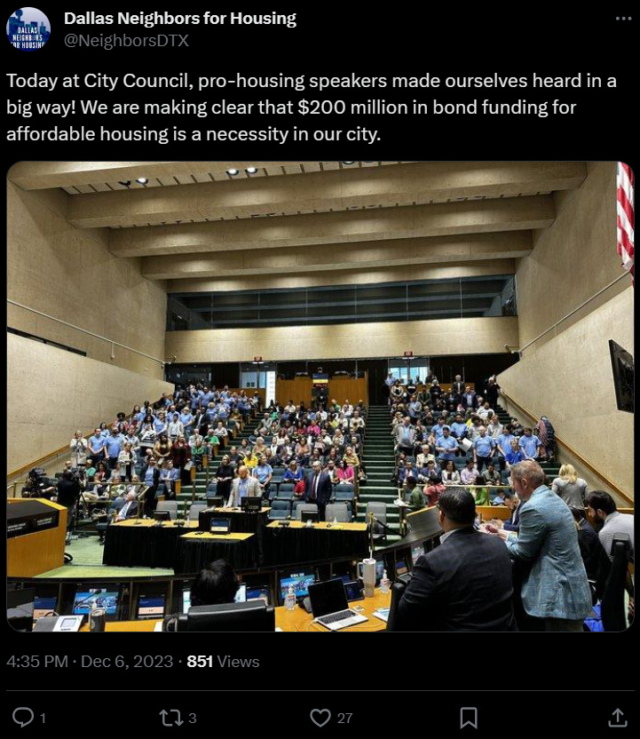
The city’s own Housing Policy also highlights disparities with Hispanic households facing the most “severe housing problems.”
Strictly defined, housing is a purchased home or a rental unit. The Dallas bond doesn’t differentiate between these two but according to CPAL. The median rent in Dallas is roughly $1305 but Dallas lacks over 33,000 affordable rental units for people making at or below 50% AMI. The gap is projected to grow to 83,503 units by 2030 without intervention.
CPAL has created an online tool that helps calculate the amount of local gap funding needed to make affordable housing developments financially viable.
Courtesy of the Dallas Media Collaborative, a collaborative reporting project focused on solutions to the affordable housing crisis in Dallas. Dallas Documents is part of the Dallas Media Collaborative, launched by the Solutions Journalism Network with funding from the Knight Foundation. Find out more at dallasmediacollab.com.