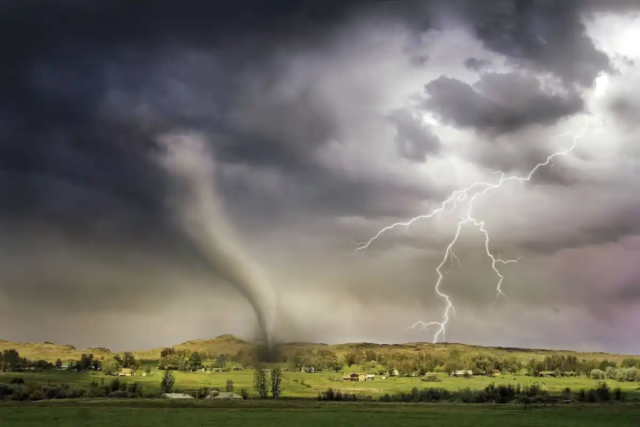
With at least 26 fatalities associated with the tornadoes that have been ravaging through the South, Americans nationwide are becoming more aware about the realities poor people face in this country.
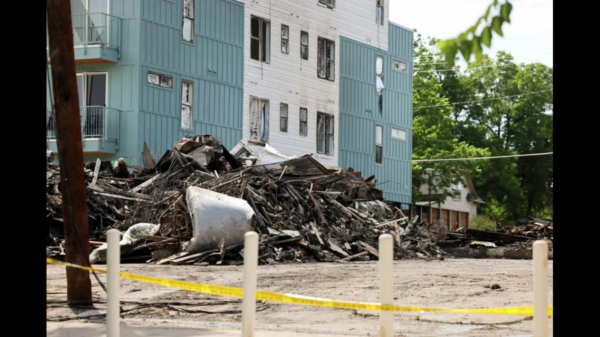
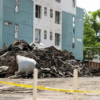
From a community of mobile homes practically decimated, to people displaced and scrambling for financial assistance due to poor insurance rates, there are thousands of victims of the recent tornadoes.
Rolling Fork, Mississippi, with its about 2,500 residents– 80% Black– was hit hard by the storm, and with the full recovery process to take years, in some cases, President Joe Biden provided emergency funds for the four counties most affected by the storm, which houses 41% Black residents.
Some of the affected residents are dealing with the effects and post-traumatic stress of Hurricane Katrina and other social, environmental and national challenges. However, notwithstanding other long-term effects that were instrumental in the devastating natural disaster turned tragedy for many, there are systemic issues that play a role in why Black Americans seem to be disproportionately impacted by such events.
Yes, when white America gets a cold, Black America gets the flu, but there’s more.
Rural, poorer, communities of color don’t have the same access to evacuate in times of crisis.
Let’s go back to Rolling Fork, where only 40% of the residents are likely to have a vehicle according to Capital B News. Furthermore, even if one has the means to drive out of the danger zone, it is another expense to find safe shelter, which leaves many people deciding to bet on optimism during threats of inclement weather and trying to ride out potential storms.
Moreover, Rolling Fork is in Mississippi, the state with the fourth-largest population of mobile homes. Residents living in mobile homes are 15 to 20 times more likely to be killed in a tornado than those living in permanent structures, Capital B reported.
The Institute of Labor Economics (IZA) defines economic inequality as the “unequal distribution of income and opportunity between different groups in society.”
“Often people are trapped in poverty with little chance to climb up the social ladder,” according to IZA.
If that’s the case then the people in Rolling Fork were victims of economic inequality before and, thus, more susceptible to the dangers that come with such injustices, even before the tornado hit.
Work must be done to address economic injustice in this country in order to avoid the challenges that come with such inequities including: increases in crime, decreases in health, food insecurity, increases in political inequality and more.
While legislation for reparations waits for formal oversight, more efforts must be considered to address economic inequality to improve communities and save lives.